

training program
See delirium through the eyes of a patient
Designed for hospitals, aged care facilities, universities and training organisations, Delirium VR immerses clinicians in the fear and confusion of delirium, so they can deliver better care.
WHY IT MATTERS
Feelings create memories, and memories become knowledge
Every day, around 4,000 older Australians[1][2] admitted to hospital will experience delirium. Most nurses and students have never experienced it, so they miss the signs. Patients are left feeling frightened, questioning their own reality, and face a higher risk of dementia.
Delirium VR is a plug-and-play professional development training tool that gives clinicians and students the opportunity to see what it feels like to experience delirium, first-hand, so they can spot it sooner and minimise its adverse effects. Co-designed with leading delirium and nursing experts, every scenario is clinically accurate and built to evoke a visceral response and empathy.
5xmore likely to develop dementia (older adults)[3]
>30%of patients in intensive care experience delirium[4]
2xhigher risk of death after hospital discharge[2]
Training package available now for purchase









The Experience
Flexible training to suit your Team
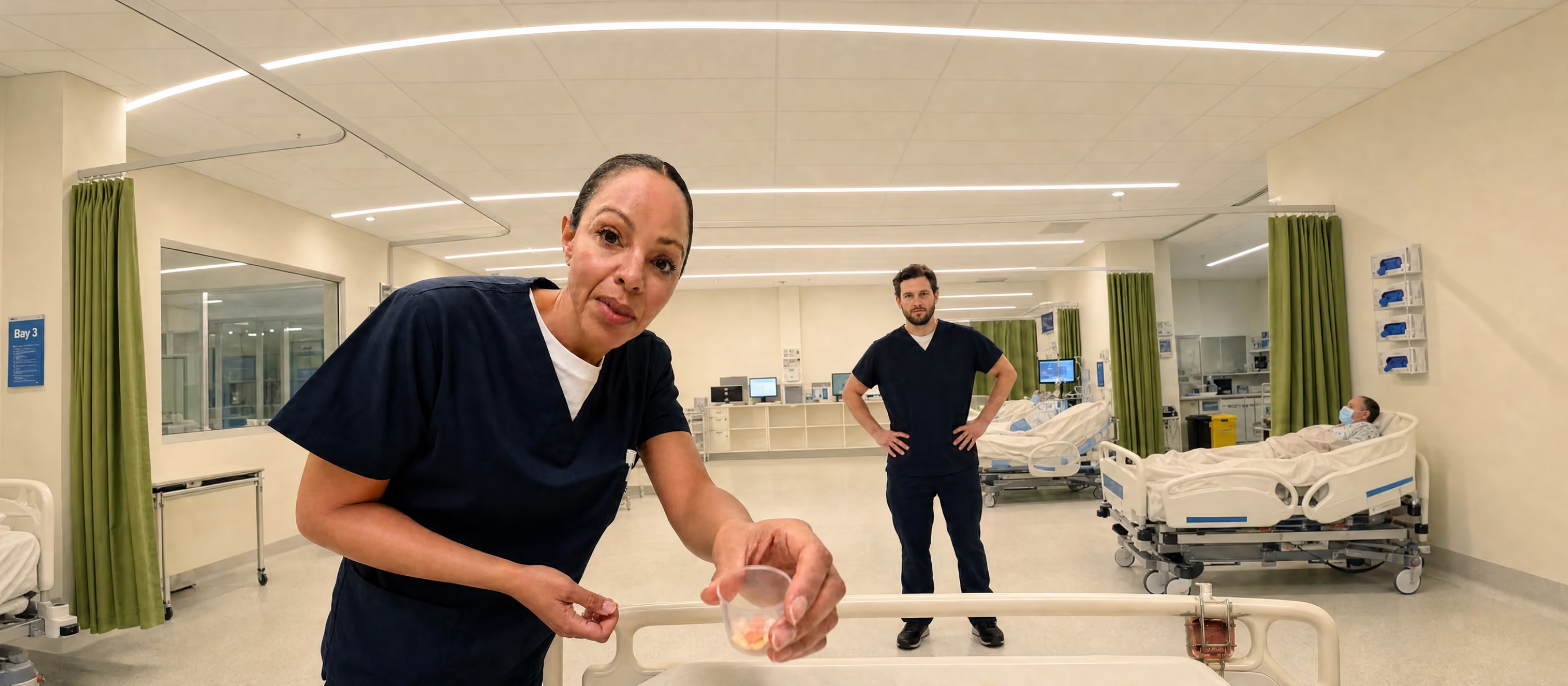
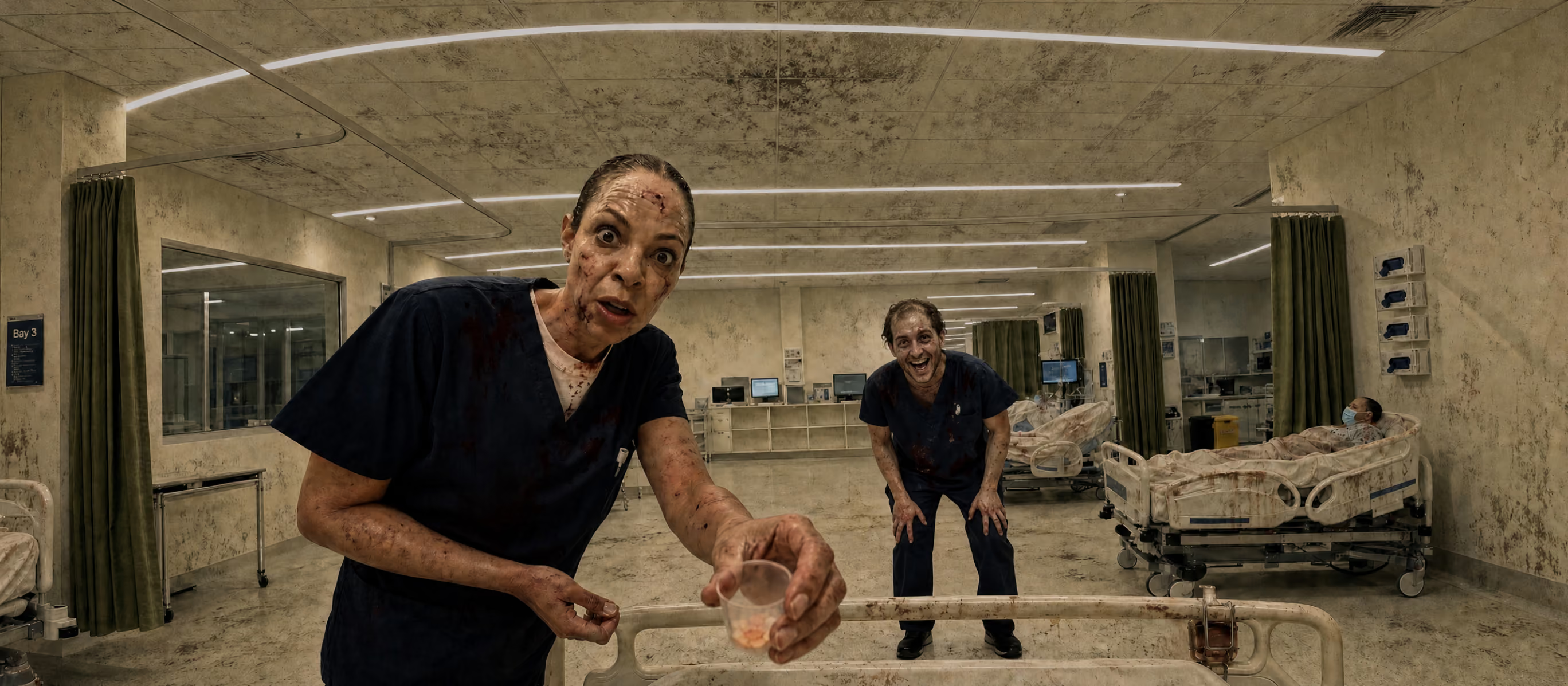
Through immersive storytelling, AI-enriched visuals, and first-person 360° POV footage, Delirium VR invites you into delirium - the fear, confusion and distorted reality - from the patient’s perspective.




Who we work with
Built for clinicians across the healthcare network
Give your health ang aged care workforce a greater, shared understanding of delirium. The whole session takes only 15 minutes, and complements existing training.
Who it’s for
Hospitals and clinics
Add to staff professional development with quick, in-the-flow training that keeps delirium front of mind, so staff can spot the signs sooner.
Aged care providers
Put carers in their residents' shoes. Experiencing the fear and confusion of delirium first-hand helps them respond with empathy.
Universities and colleges
Fits easily into existing curricula, giving students a practical, first-hand understanding of delirium before they reach the ward.
Training centres
Build awareness of delirium and its impact, so learners can recognise when someone is experiencing it and know when to seek help.

based on data and patient testimonials
Set in a hospital intensive care unit, Delirium VR puts you inside the mind of a patient with delirium. You’ll experience, learn, and understand what lies behind a frightened patient’s behaviour, so you can mitigate the impact of delirium and provide better care.

the Scenarios
Inside the three scenarios
Give your healthcare workforce a shared, first-hand understanding of delirium. The whole session takes only 15 minutes, and complements existing training.
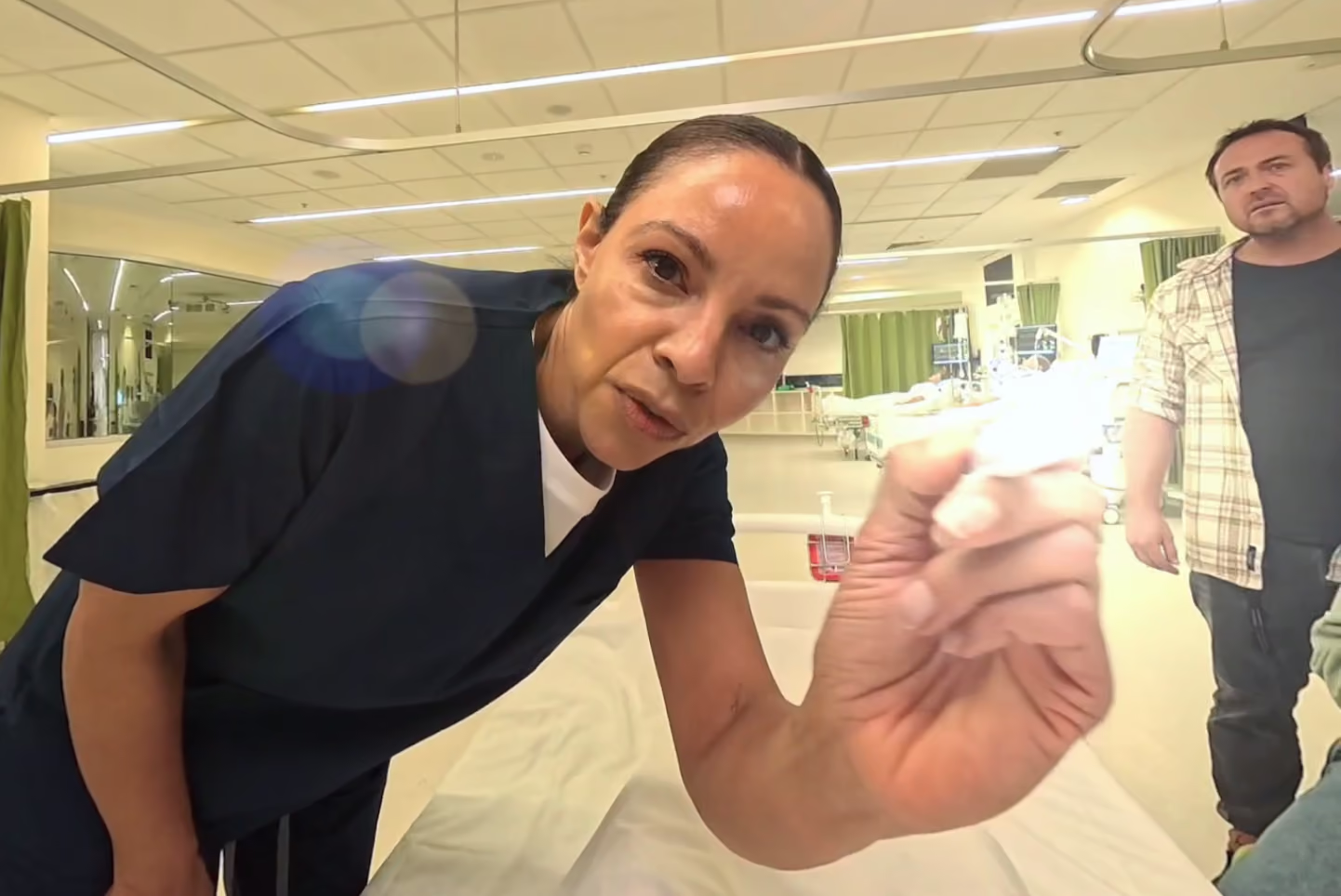

Fear, confusion and altered perception
The surgery went well, but the faces at your bedside are unfamiliar. The voices you know switch from comforting to frustrated to something that sounds threatening.
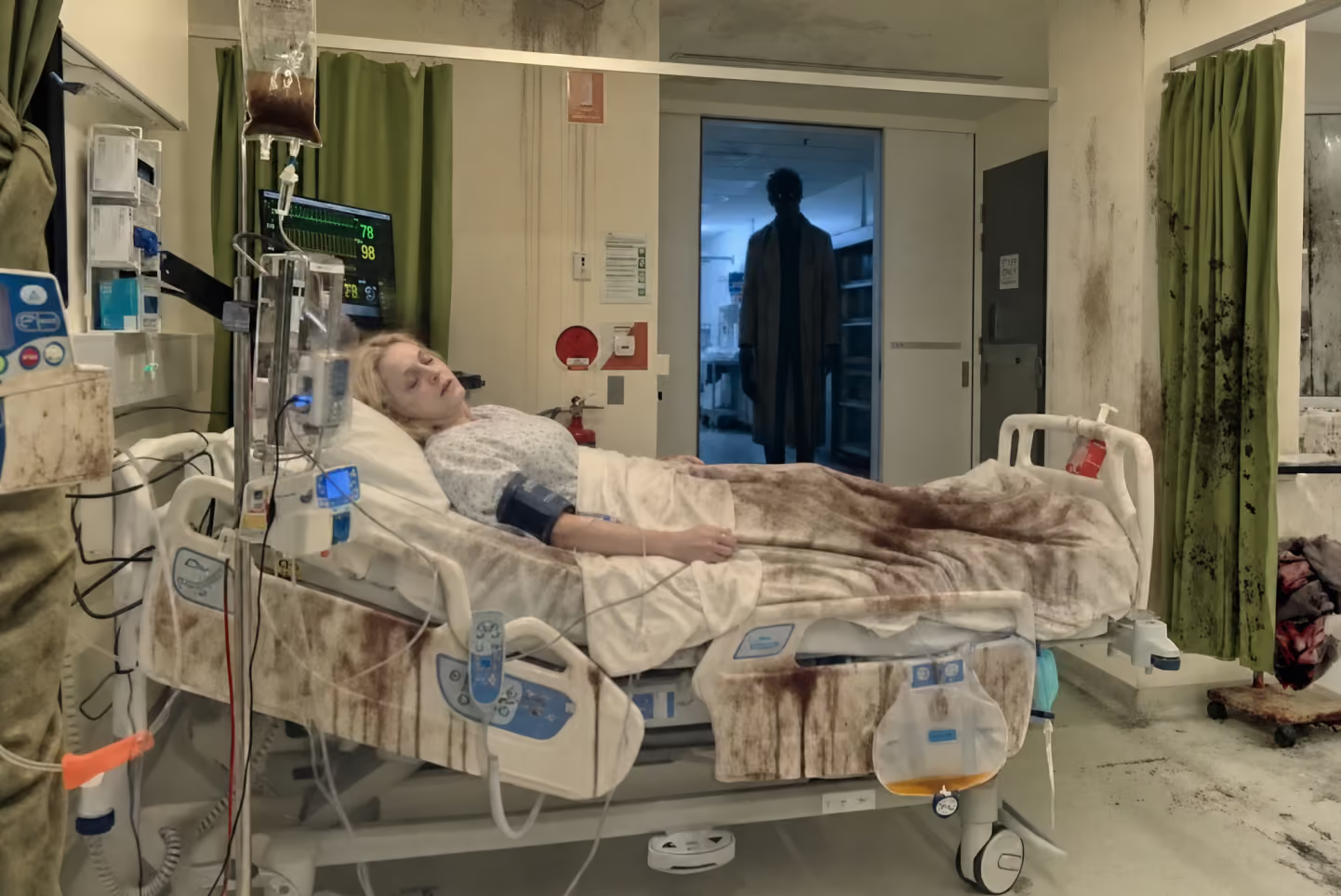
Paranoid delusions and loss of control
You’re told to rest. Reassurance starts to feel like surveillance, and you become suspicious of those in charge as routine care begins feeling unsafe.
Hallucinations and withdrawal
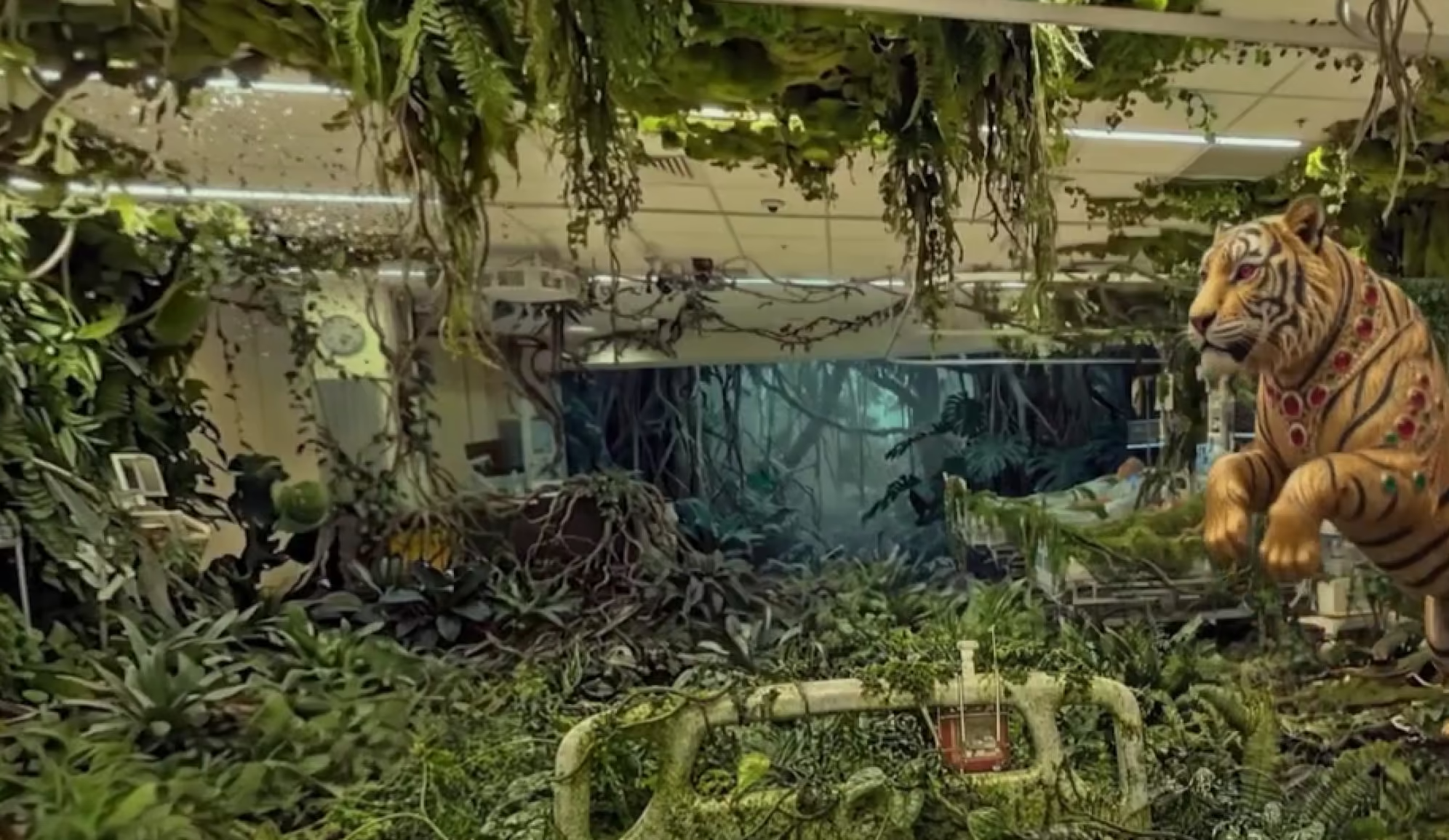
The hospital room appears to come apart as vines swallow the walls, the jungle appears to rustle. Nothing makes sense, and no one else seems to notice.
distribution options
Flexible training setups that fit your needs
Built using our in-house VR training platform, Delirium VR delivers experiential learning for solo and lecture-based learners alike, with an analytics dashboard to track learner progress.
Hub and spoke
A portable kit you can move between sites so every team receives the same consistent training.

ad hoc training
Easily accessible training sessions that staff can fit into the flow of work, wherever they are.

Classroom
Instructor-led sessions with multiple headsets running at once and real-time monitoring.


What’s in the box
All in one, easy to use VR hardware
Our training packages come ready with the software and hardware for your teams to experience delirium immediately, without wifi or any further setup required.
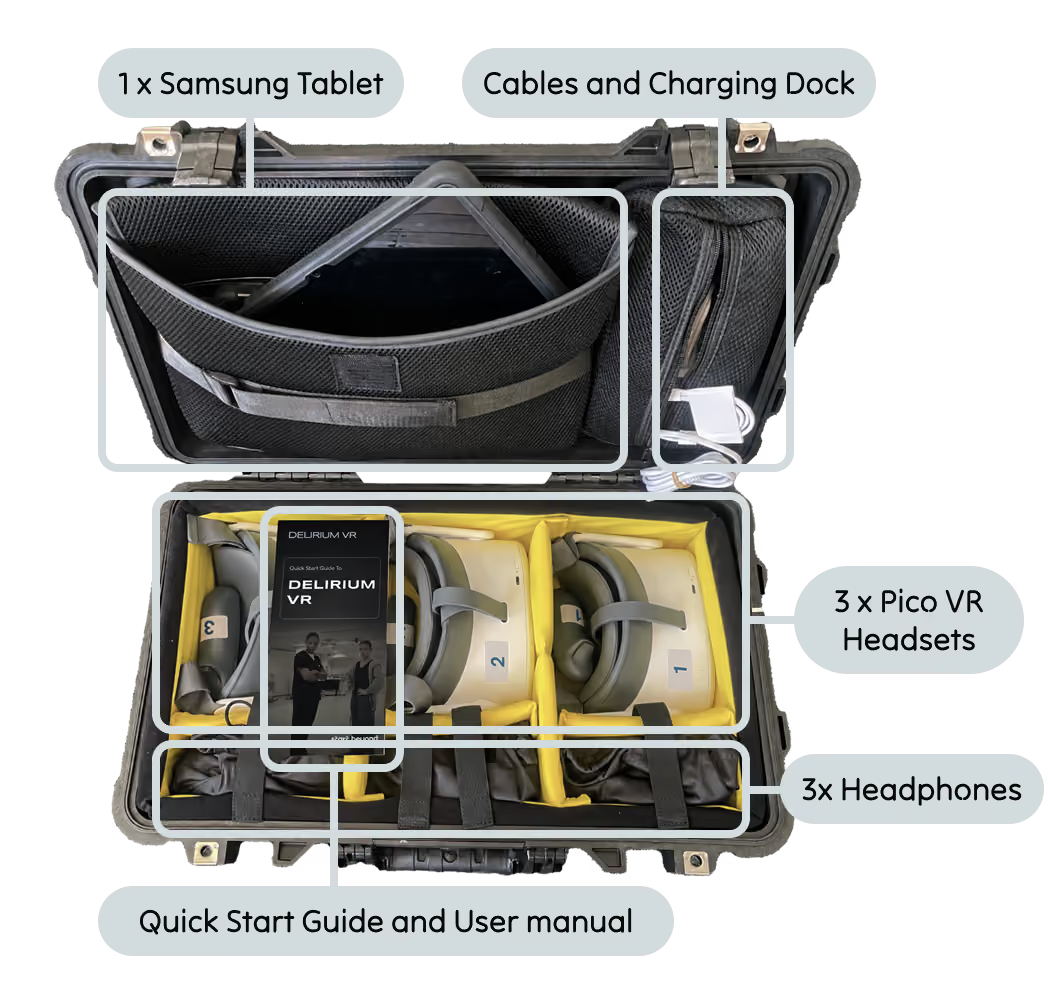
Standard pack
3 VR Headsets & Tablet
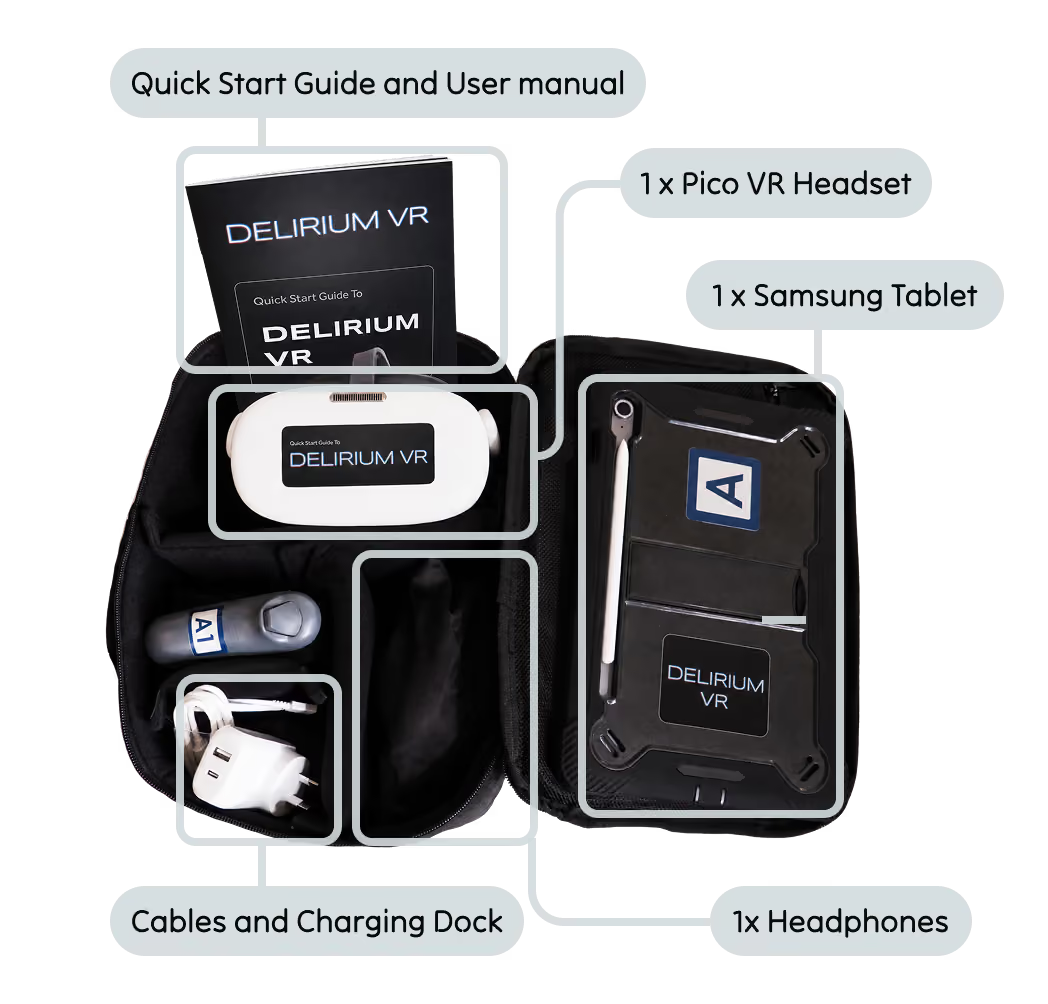


Entry pack
1 VR Headsets & Tablet
Our co-design partners
The UTS Faculty of Health are the clinical and academic experts behind Delirium VR. Grounded in the Delirium Clinical Care Standard, their research ensures every scenario accurately reflects the symptoms and stages of delirium as patients experience them.

Dr. Amy Montgomery
Postdoctoral Research Fellow, UTS & Aged Care Nurse Practitioner
Amy is the driving force behind Delirium VR at UTS. A delirium education researcher, she focuses on helping clinicians turn delirium knowledge into everyday practice. Her work includes an Australian and New Zealand consensus statement on delirium education and validated tools for monitoring delirium in older hospitalised adults.
Amy is co-leading a three-year study with the POWH to develop Australia’s first Learning Health System for evidence-based delirium care.

Prof. Jacqui Pich
Professor of Nursing & Deputy Head of School (Teaching and Learning), UTS
Jacqui leads teaching and learning across the UTS School of Nursing and Midwifery, where she has held a range of leadership roles since joining in 2017 — including Course Director of the Bachelor of Nursing.
A co-designer of Delirium VR, Jacqui brings expertise in nursing education and curriculum design, as well as workplace violence and empathy in healthcare, drawing on her experience as both a registered nurse and an educator.
Delirium VR was developed with contributions from Prof. Meera Agar (IMPACCT, UTS), Catherine Johnson (UTS Master of Nurse Practitioner Course Coordinator), Annie Hepworth (UTS School of Nursing & Midwifery), Prof. Gemma McErlean (UTS & POWH), Dr. Jacob Dye (The George Institute for Global Health) and Dr. Heidi Lindroth (Mayo Clinic).
Awards and recognition
Start Beyond is an award-winning, internationally acclaimed virtual and augmented reality studio that provides scalable, high-impact immersive training experiences that transport imaginations and move people to see the world differently.
Since 2015, we have delivered over 2 million immersive learning experiences worldwide via the Oncio platform, helping 20,000+ users per month to train faster and more consistently at scale.



Frequently Asked Questions
Delirium VR is an immersive training experience that puts clinicians in the patient’s point of view during a state of delirium. Across three scenarios, they experience the confusion, fear and altered reality patients describe, so they can recognise delirium sooner and respond with empathy.
No. Everything you need is included. The Entry Pack comes with 1 VR headset and a tablet, and the Standard Pack comes with 3 headsets and a tablet.
Yes. If you already have VR headsets, you can purchase a software-only licence and install Delirium VR on your existing devices. Book a demo to confirm your hardware is compatible.
Yes. Book a demo and we’ll take you through the experience and demonstrate how it can easily fit into your training program.
The earlier delirium is seen, the safer your patients will be.
Enhance your training with Delirium VR. Contact us today and we’ll walk you through the experience and how it fits your training program.
- 100% free consultation
- Industry-proven XR solutions
- 10+ years of expertise
Sources:
[1] Gibb, K., Seeley, A., Quinn, T., Siddiqi, N., Shenkin, S., Rockwood, K., & Davis, D. (2020). The consistent burden in published estimates of delirium occurrence in medical inpatients over four decades: a systematic review and meta-analysis study. Age and Ageing, 49(3), 352–360. https://doi.org/10.1093/AGEING/AFAA040
[2] Australian Institute of Health and Welfare. (2026, May 29). Admitted patient care - Hospitals. https://www.aihw.gov.au/hospitals/topics/admitted-patient-care
[3] Gordon, E. H., Ward, D. D., Xiong, H., Berkovsky, S., & Hubbard, R. E. (2024). Delirium and incident dementia in hospital patients in New South Wales, Australia: retrospective cohort study. BMJ, 384. https://doi.org/10.1136/BMJ-2023-077634
[4] Wilson, E., Mart, M. F., Cunningham, C., Shehabi, Y., Girard, T. D., J MacLullich, A. M., C Slooter, A. J.,& Wesley Ely, E. (2020). Delirium. Nature Reviews Disease Primers, 6(1). https://doi.org/10.1038/s41572-020-00223-4
[5] Tesfaye, Y., Davis, C. R., Hull, M. J., Greaves, D., Du Preez, J., Johns, S., Bourke, A., & Keage, H. A. D. (2025). Long-term clinical outcomes of delirium after hospital discharge: a systematic review and meta-analysis. Age and Ageing, 54(7). https://doi.org/10.1093/AGEING/AFAF188