
VR Training for Organisations
Discover how virtual reality (VR) training transforms skill development and reduce costs. From understanding the technology to choosing the right approach, get everything you need to create an effective training solution for your department.
- 100% free consultation
- Industry-proven XR solutions
- 10+ years of expertise
What is VR training?
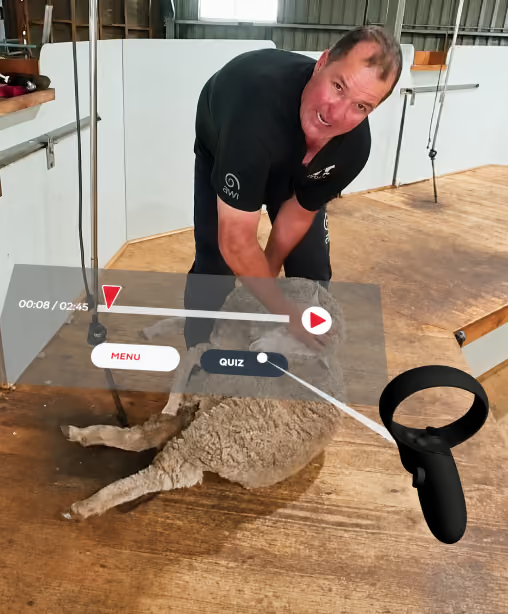
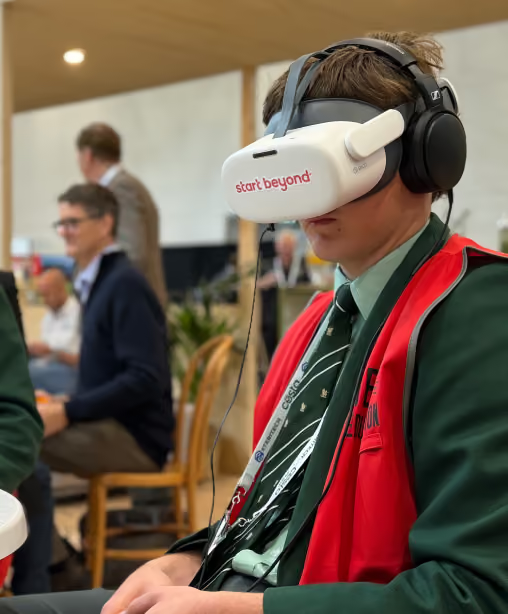
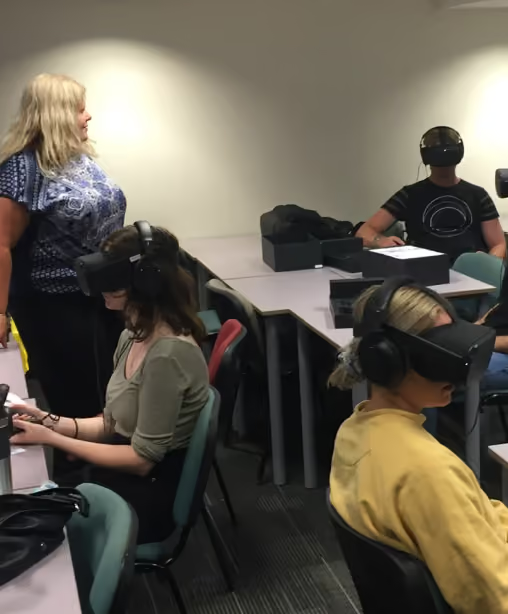
Virtual reality training immerses learners in simulated environments, ranging from computer-generated 3D models and animations to complex 360° replicas of real-world scenarios. This allows individuals to learn through experience by being an active participant in the learning experiences.
The visceral nature of VR means that users build an emotional connection with the content which improves memory retention, enabling learners to safely practice their skills and build confidence without the physical or psychological risk.
How virtual reality training works

Identify goals
Determine what your learning outcomes are and what kind of training is required to meet those goals. An off-the-shelf solution could meet your requirements or you may need a bespoke program.

Launch training
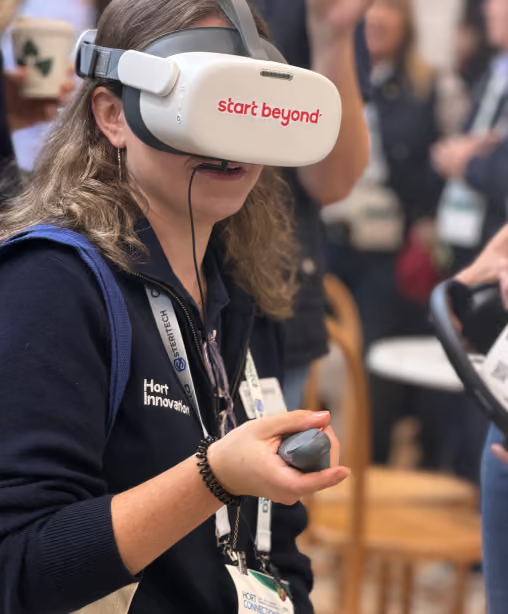
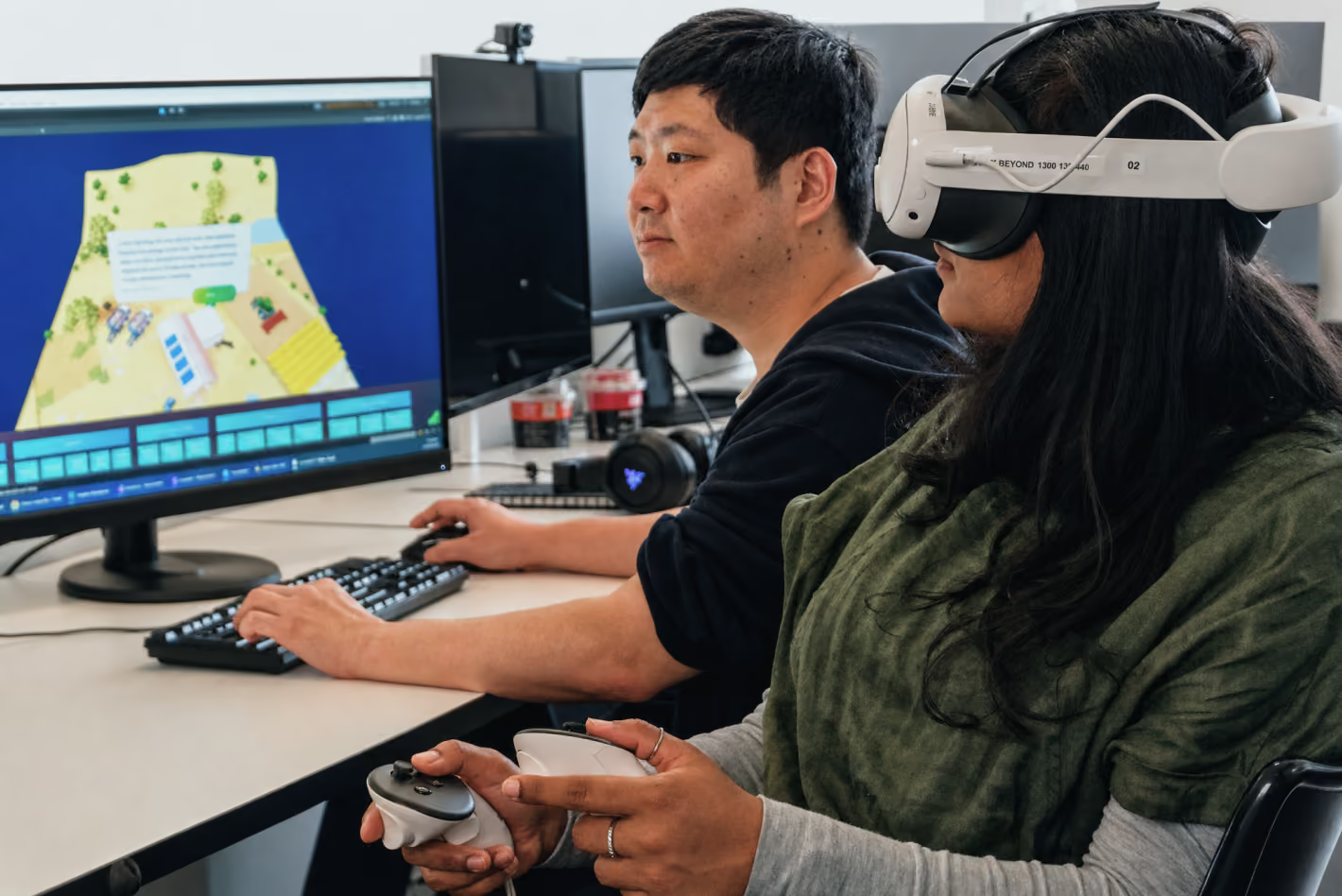
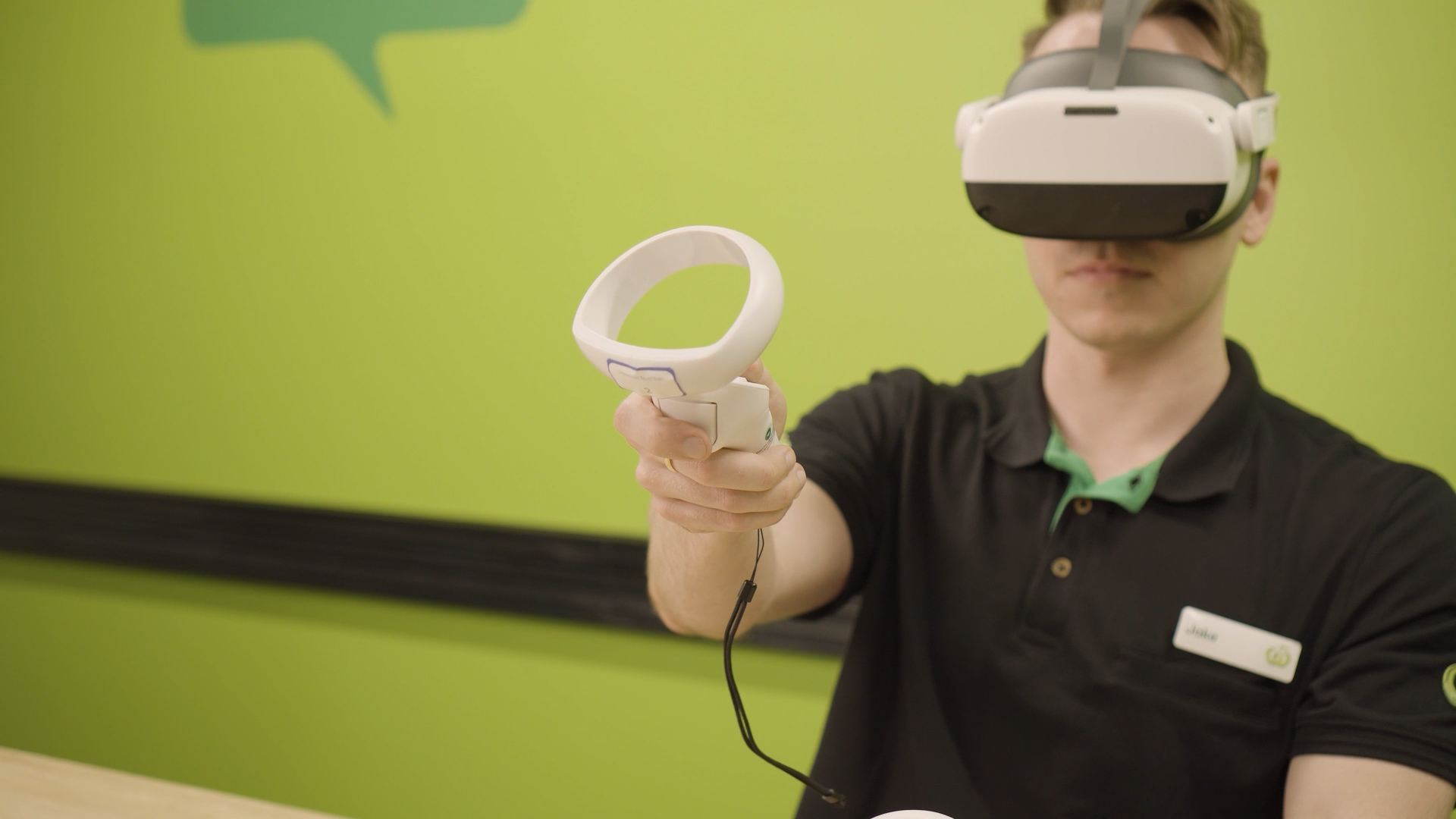
Turn on the headset, select your training program and press play. Content is stored locally, so no internet connection is required.

Complete modules
Navigate realistic, high-pressure situations and make decisions with real-time consequences. With practice and improvement you can take that knowledge into the real world.
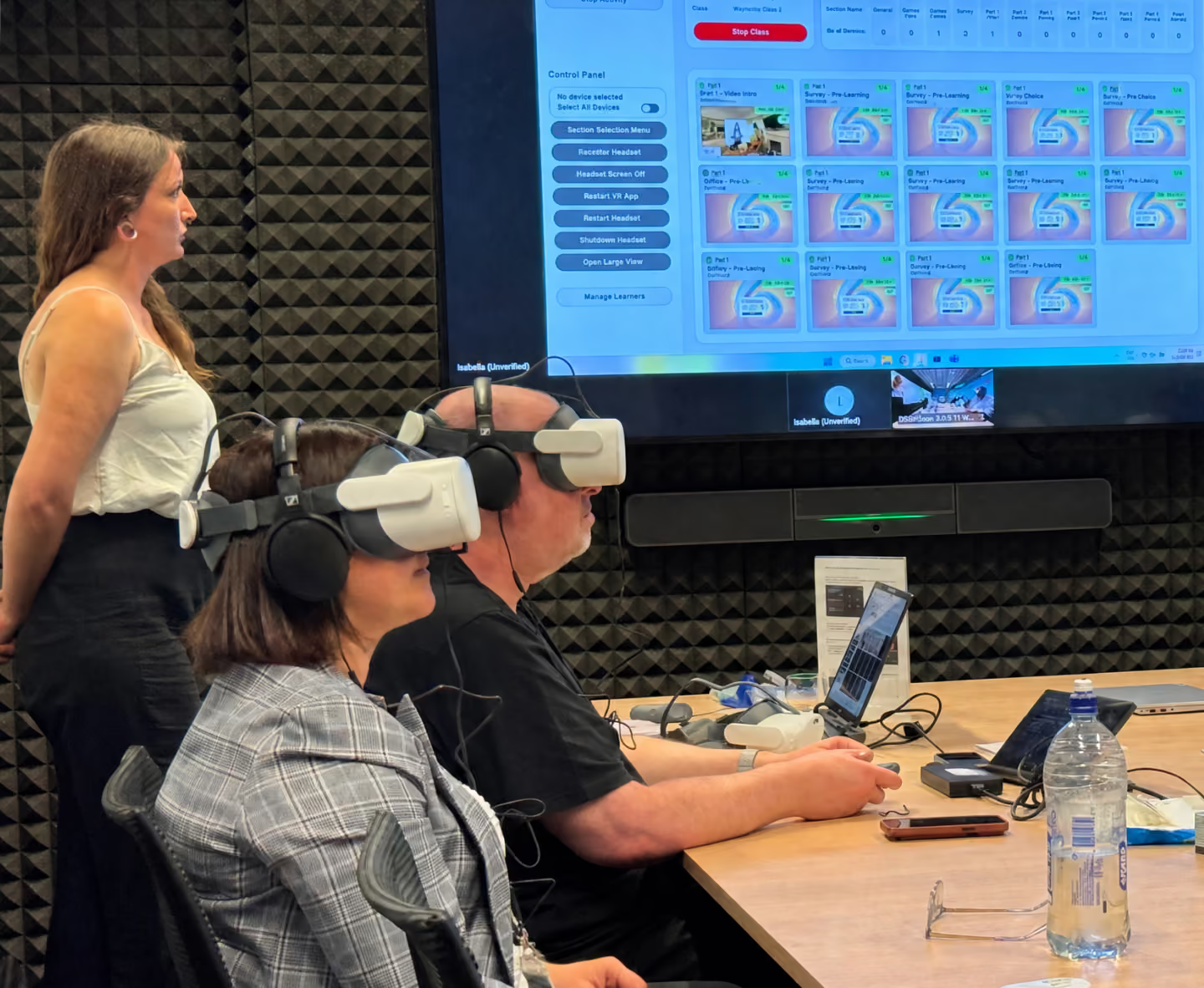
Powered by Start Beyond’s Oncio training platform, our ecosystem allows learners to train both independently or in groups of up to 50 headsets, all monitored seamlessly through our facilitator app.
How VR training transforms organisations
Exceptional ROI & longevity
It offers scaling opportunities and future proofing via portable assets, customisable features and in-house maintenance. It also reduces costs associated with trainer salaries, travel arrangements, and repetitive course rollouts.
Accelerated capability
Through consistent, interactive training organisations can increase knowledge retention and speed to proficiency, directly translating to a competent and more confident workforce in less time and with fewer resources.
Reduced burnout & attrition
Employees get a clearer understanding of their roles and capabilities. This boosts motivation, reduces workplace fatigue, and bolsters staff retention.

Regulation Compliance
Create certified training modules and micro-credentials that satisfy internal codes and external government requirements, protecting your workforce and your business.
Benefits of VR training
Virtual reality training works because it recreates the conditions your team face in the real world: high stakes, emotions under pressure, and the desire to excel in practice. What does this mean for you and your organisation?
4x speed to proficiency
Practising skills via engaging, realistic simulations of day to day challenges shaves the mental leap from theory to implementation, making knowledge stick faster.
Reduced training time
VR enables flexible workforce training through digital simulations, eliminating time spent on dedicated instructors, scheduling & logistics, and prep of materials.
Remote learning capabilities
Remove the need for face-to-face training with intuitive & frictionless, self-guided or facilitated remote learning across VR, mobile and desktop.
Risk-free practice
Master high-stakes situations with zero risk. Simulations let you experience, repeat and learn critical responses safely, until they become second nature.
Consistent training
VR ensures every individual receives the same high-quality skill training through repeatable modular scenarios that can be easily deployed across sites and platforms.
Leverage existing assets
Transform and integrate pre-existing content into memorable VR & AR simulations. Build incrementally and bring flat 2D print & digital assets to life.


VR training vs traditional training
Traditional workplace training often falls into two camps: the expensive, hard-to-scale, small-group programs, or the cheap and scalable but purely theoretical eLearning kind. VR training fills this gap by delivering consistent, realistic, multi-platform training experiences for a fraction of the cost of conventional instruction in the long term.
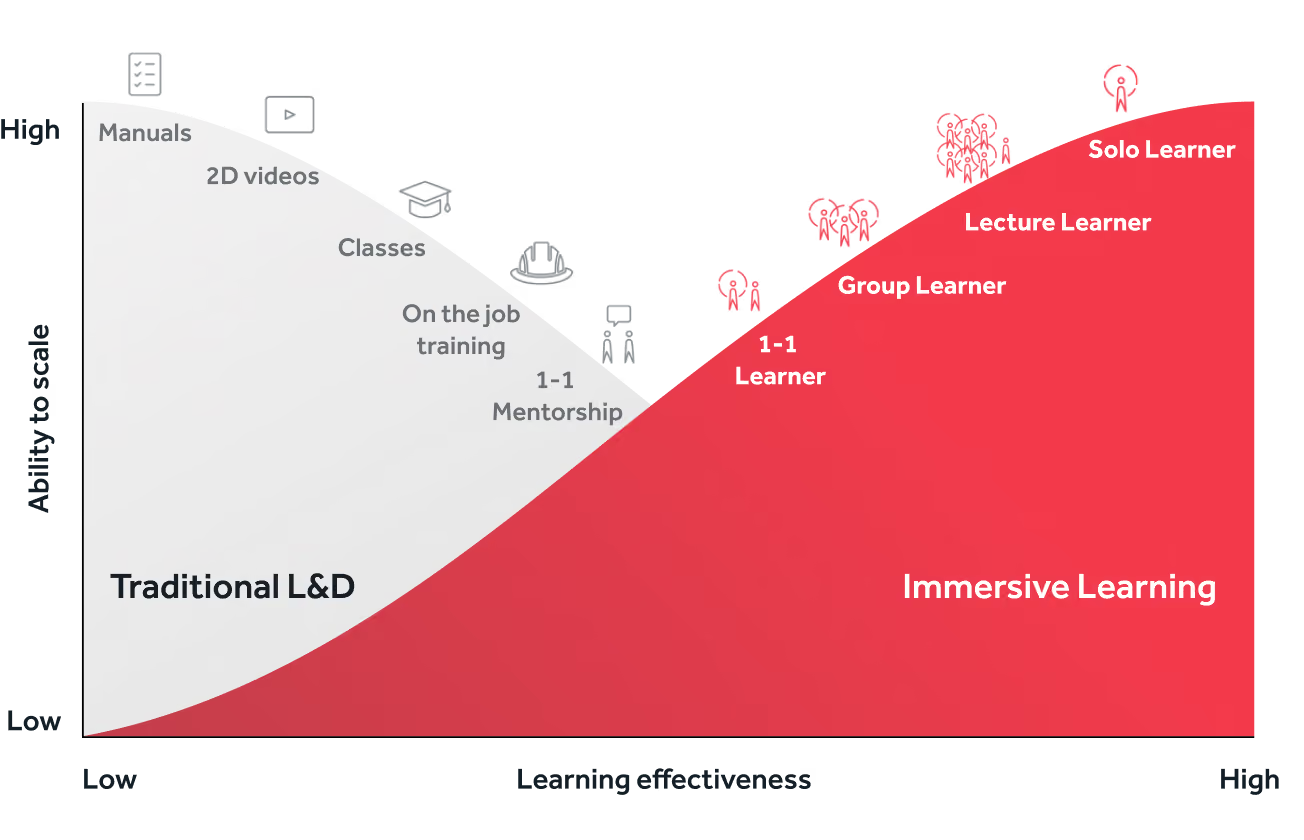
Across controlled studies, VR training outperforms the traditional alternatives, with the strongest results observed when the experience is designed around the task being taught[1].
VR learners complete training up to four times faster than in a classroom and are 1.5 to 4 times more focused, in comparison to the classroom and eLearning. Additionally, they are 35–40% more confident in applying what they’ve learned[2].
As each learner receives the same realistic, hands-on learning experiences without a trainer present, VR makes practice-based training scalable[3].
Source:
[1] Howard et al., Comput. Hum. Behav. (2021)
[2] PwC VR Efficacy Study (2022)
[3] Chang et al., J. Organ. Behav. Manage. (2024)
VR training solutions
Off-the-shelf VR training products
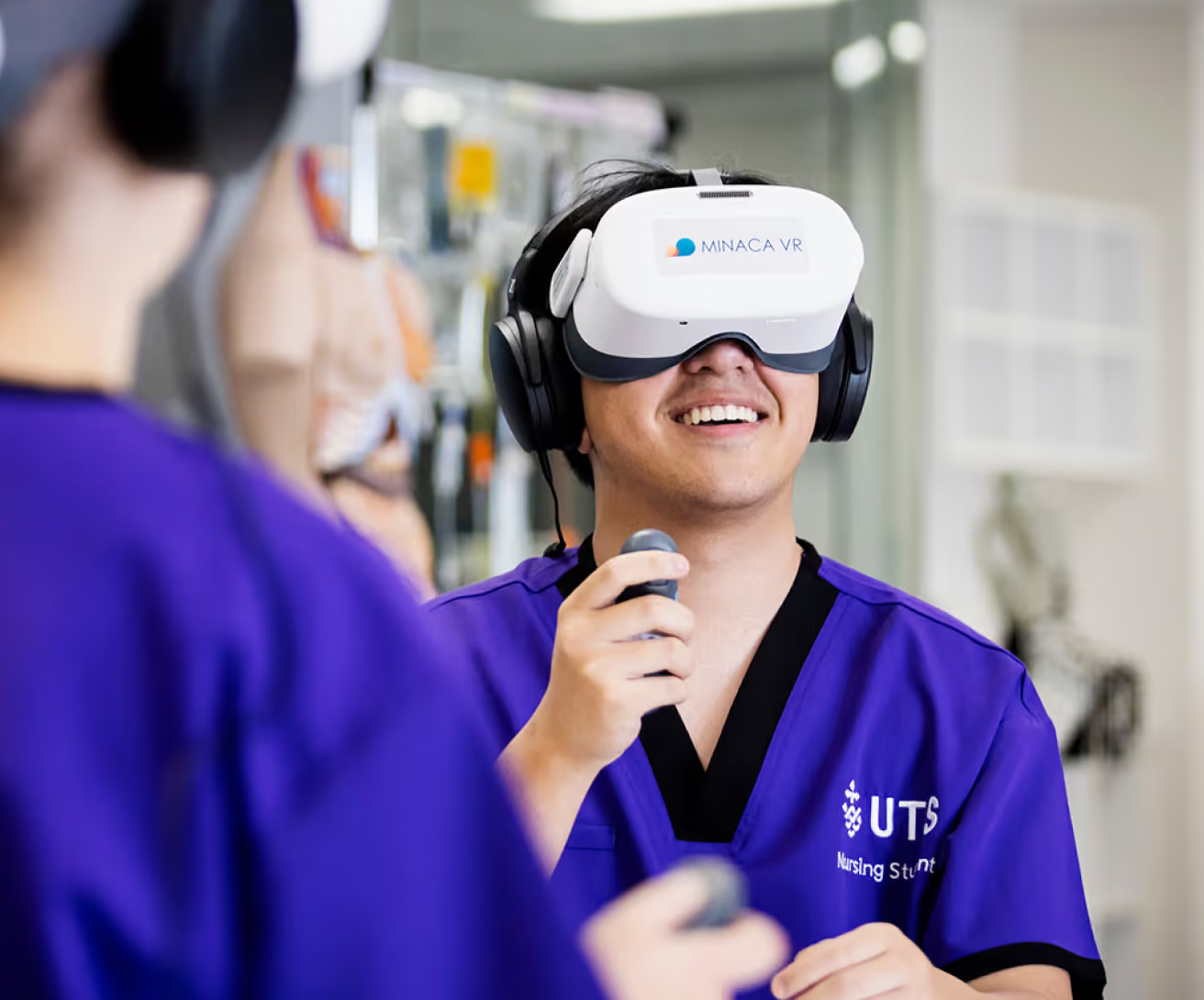
Every organisation or L&D department has its own budget for training, whether it’s a custom build or off-the-shelf. Our ready-to-deploy programs are completely self-contained, delivering the software, VR headsets, and other hardware all in the one package.
These pre-built solutions are ideal for businesses facing common industry challenges such as customer aggression, workplace safety, and patient care. They allow teams to begin training in a matter of weeks, rather than months.
At Start Beyond, our products are also co-designed with subject-matter experts and trusted by Australian employers, care providers, and universities.
View all VR training products
Customised VR training solutions
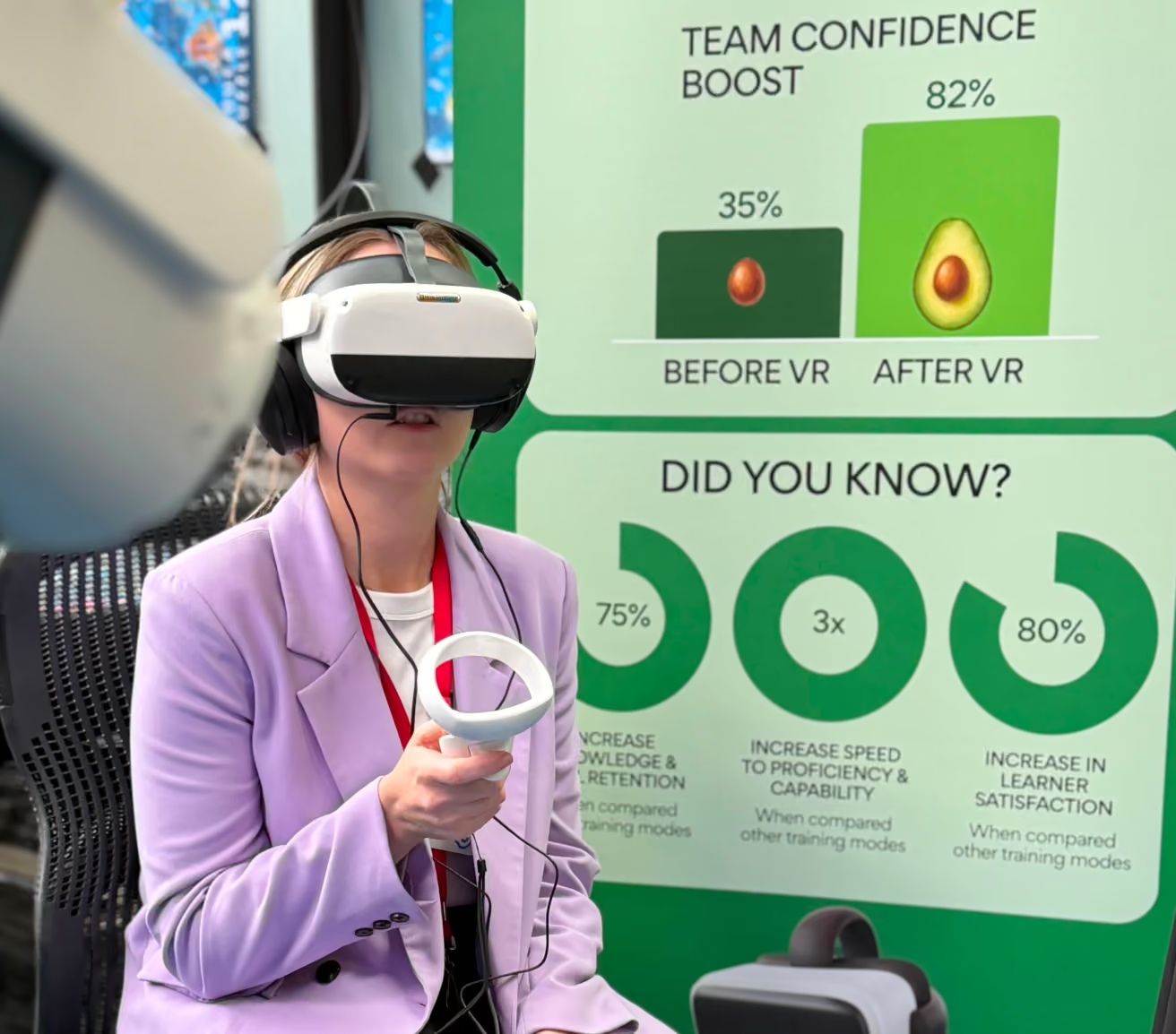
Developing a bespoke VR training program involves partnering with VR studios and developers to craft immersive experiences aligned with your business goals and learning outcomes. Though this requires a longer lead time, it is ideal for:
Complex requirements
Specialised workflow, equipment, or skills training is required, interactions & environments are hazardous, and regulatory frameworks need to be addressed
Limited access to scarce resources
It is difficult to get a trainer to every site, or provide company-wide access to specialised machinery and operations, in a timely manner
Diverse workforce needs
A robust deployment strategy is needed to standardise multi-step processes, support geographically dispersed teams and grow alongside organisation-wide rollouts
Explore custom VR services


Who needs VR training?
Virtual reality training is used globally across a range of industries and applications. It’s indispensable for any organisation looking to overcome inconsistent workforce skill development, soaring training expenses, low knowledge retention, and strict industry compliance mandates.
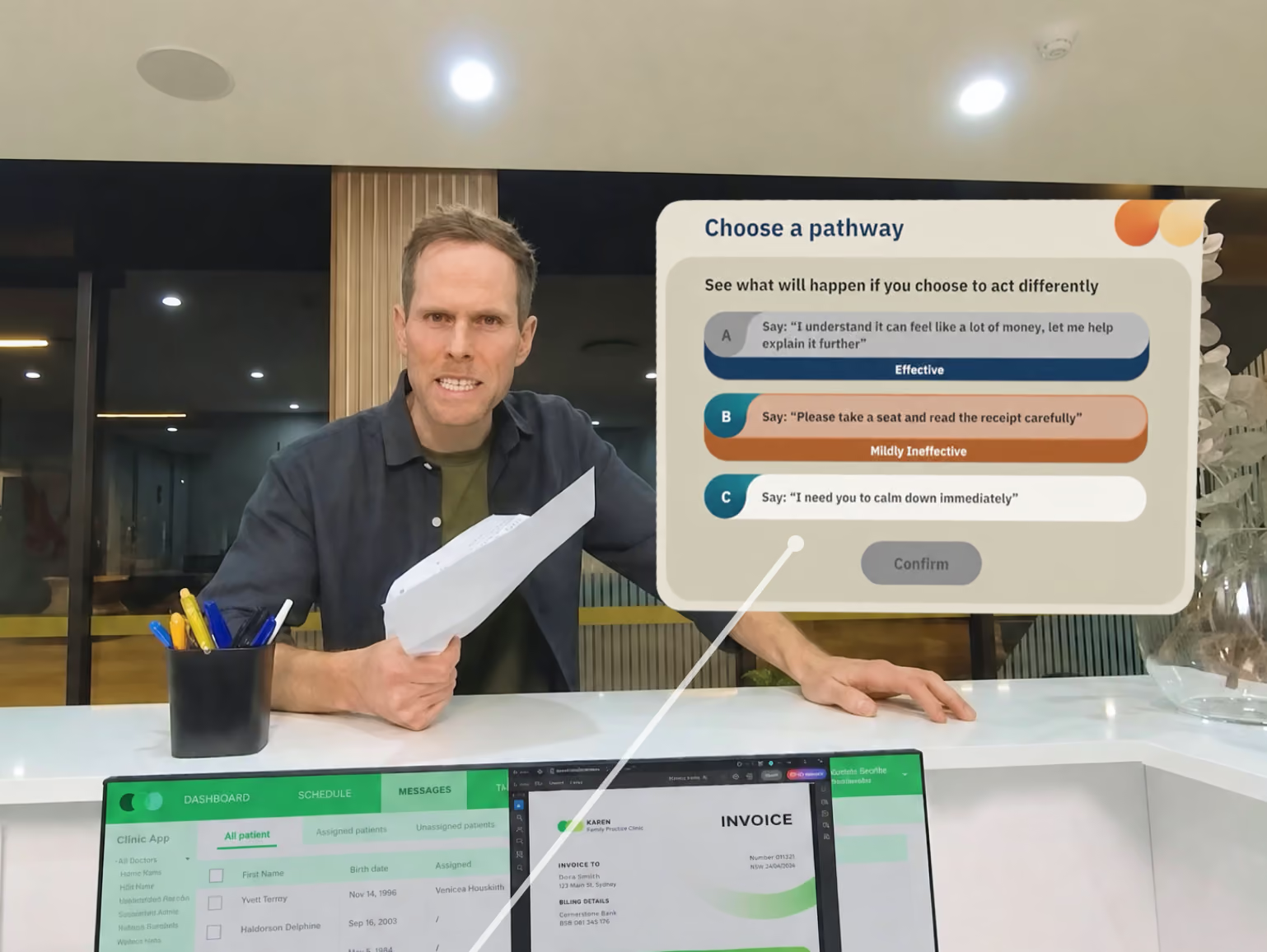
Placing frontline employees inside realistic, emotionally demanding scenarios to practice de-escalation and effective strategies to manage aggressive customers
Equipping medical professionals and care workers with the practical and soft skills to perform specialised assessments while providing empathetic patient care
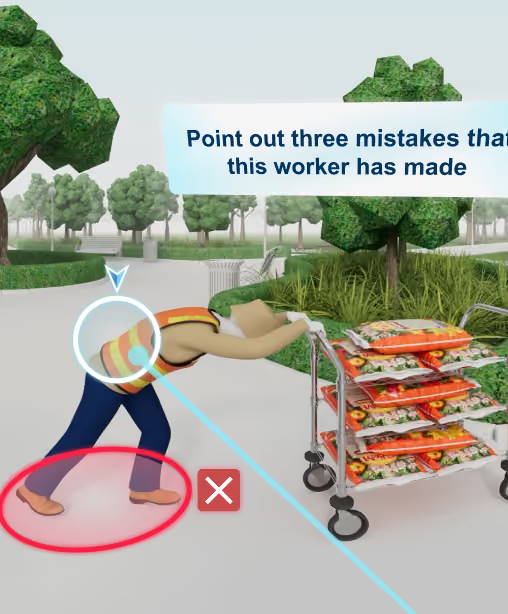
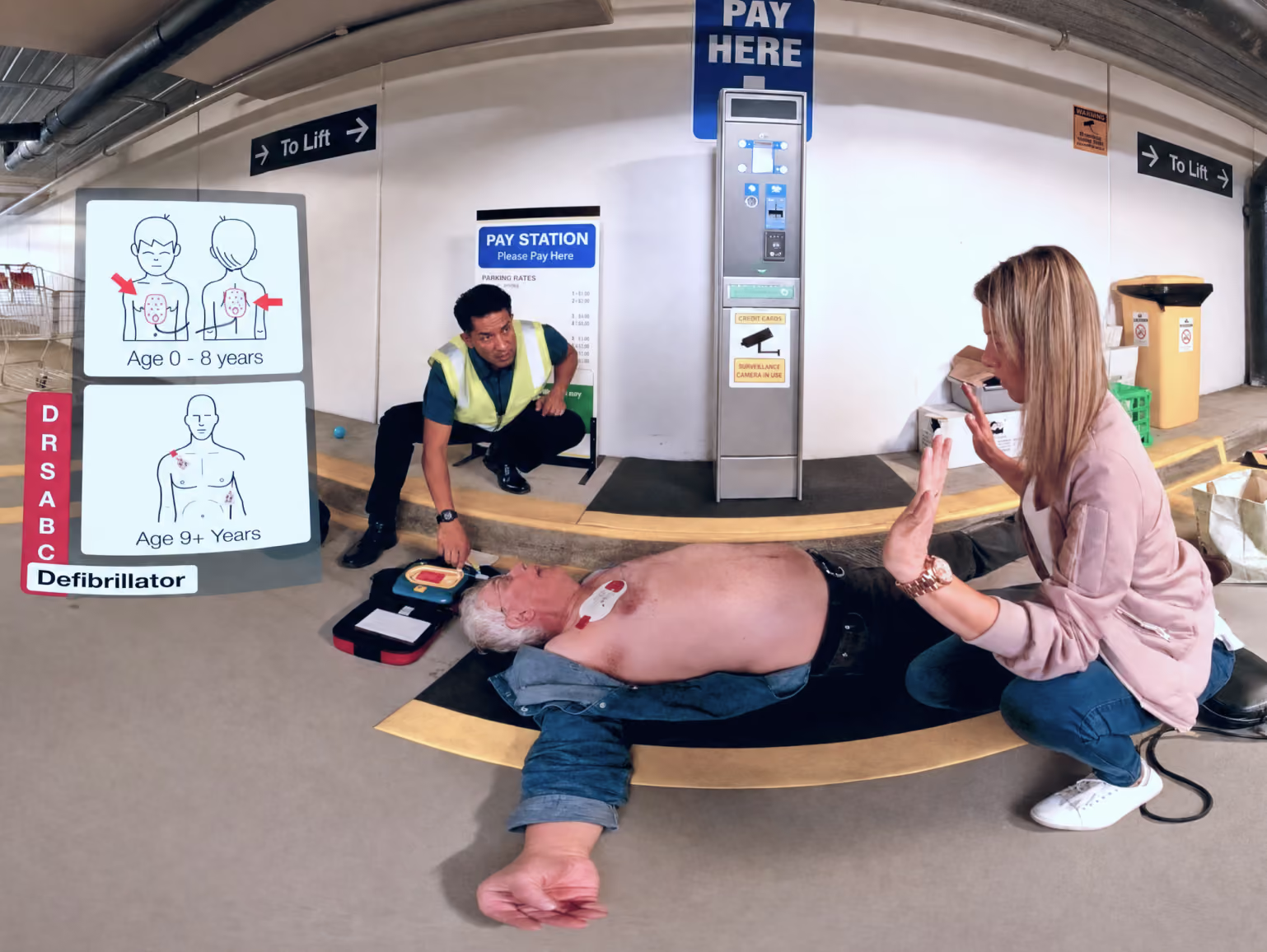
Training learners on proper protocols for manual handling and urgent medical response to hazardous or critical situations, where practice directly in the field would entail physical or emotional risk
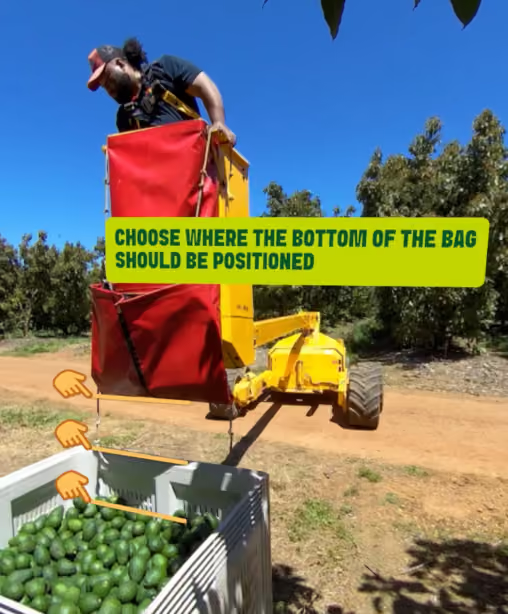
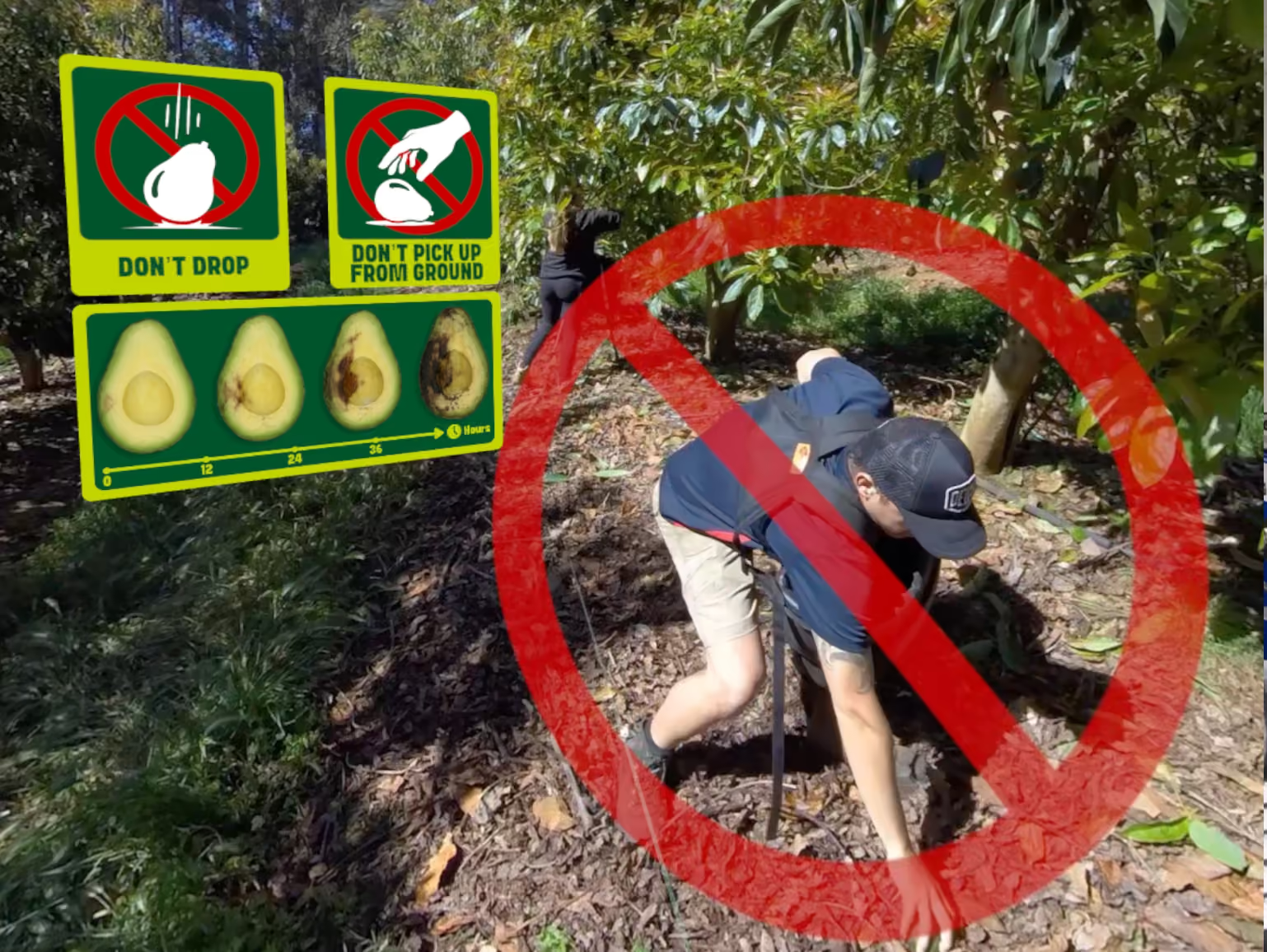
Providing practitioners in agri-science and horticulture, farm hands and seasonal workers with handy, year-round training around crop handling, food supply chains, animal husbandry, and farming best practices to prepare for the next harvest.
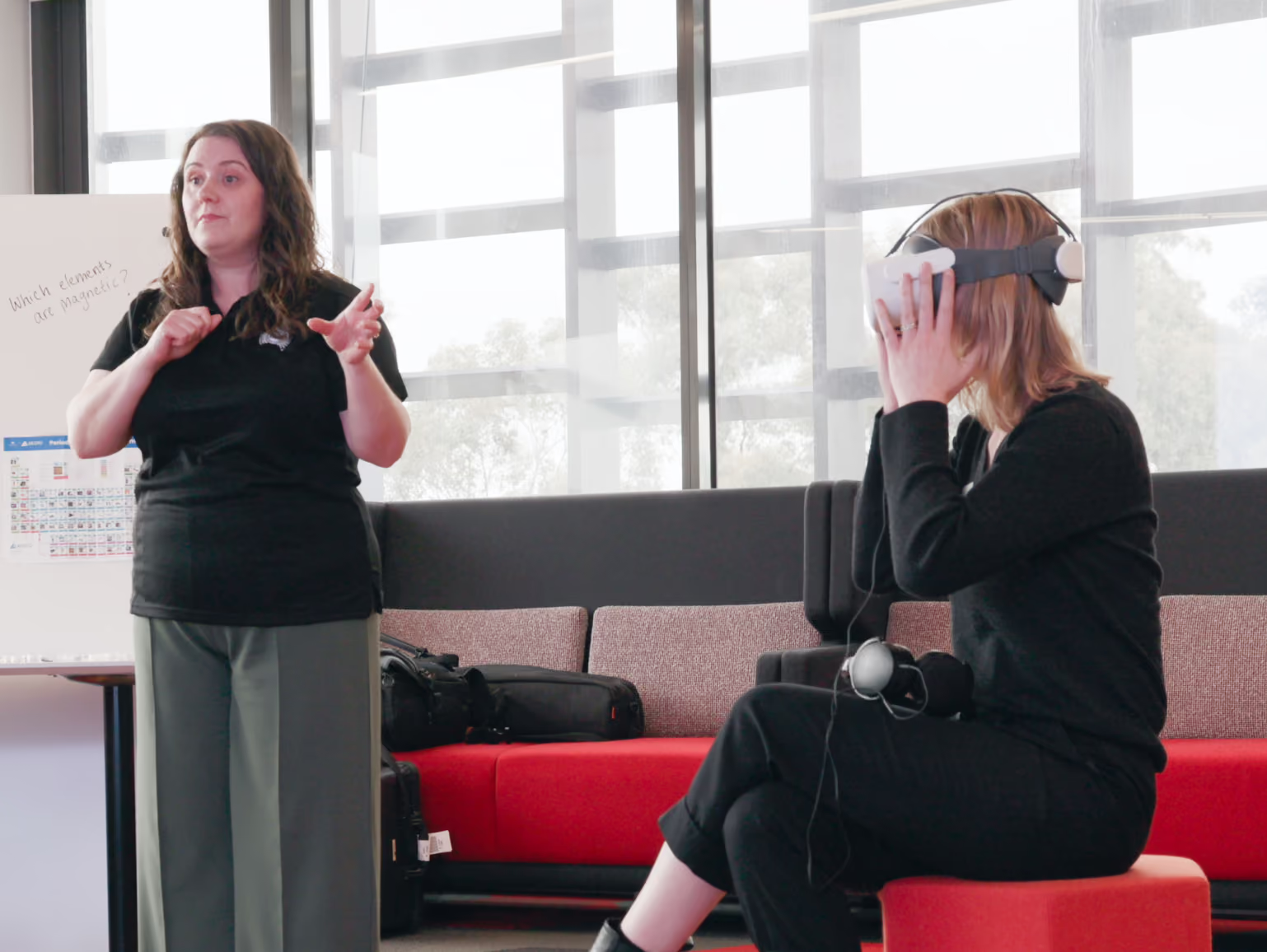
Streamlining onboarding processes via consistent training modules to distributed teams or in high-turnover industries
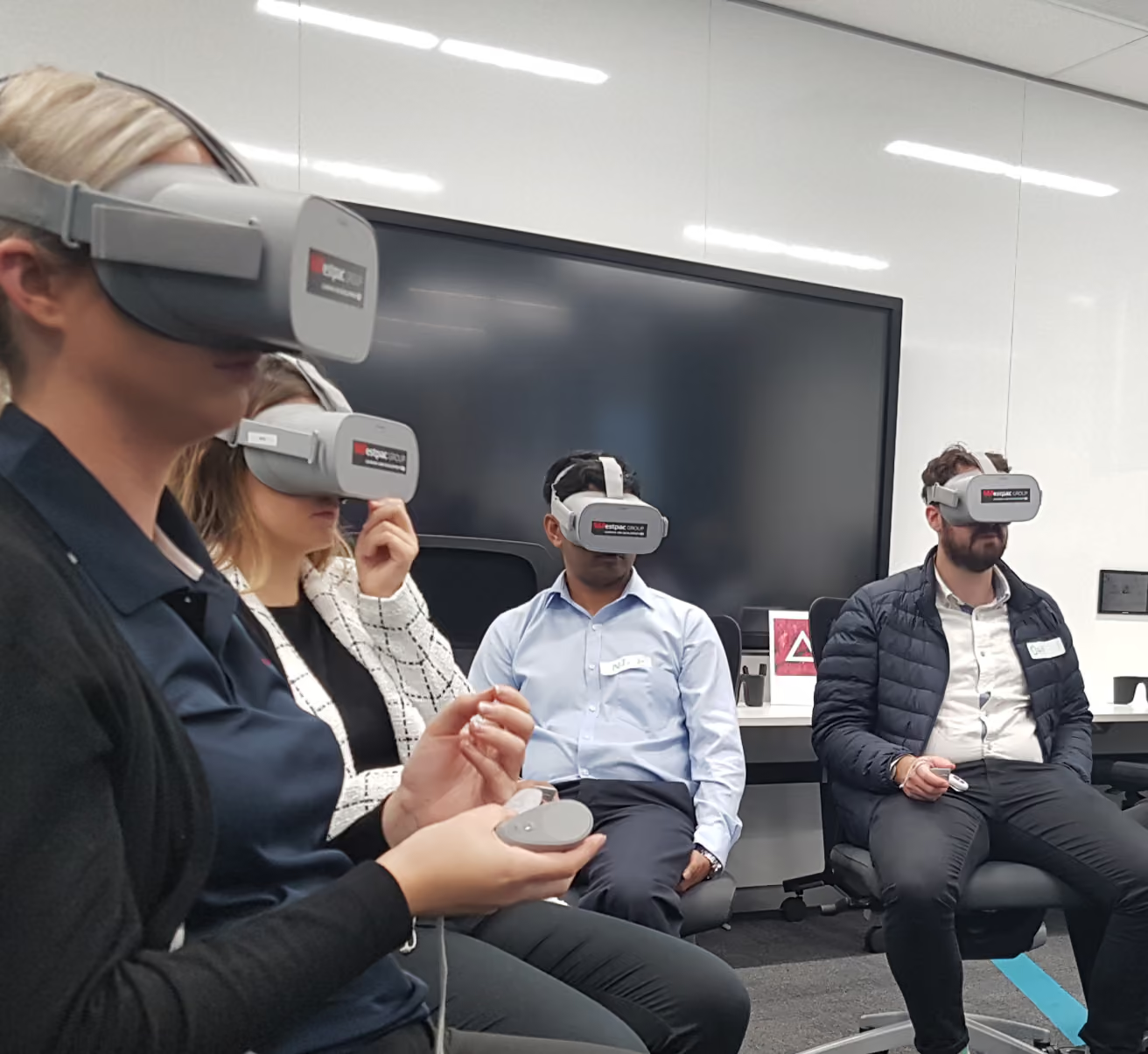
When is the right time to adopt VR training?
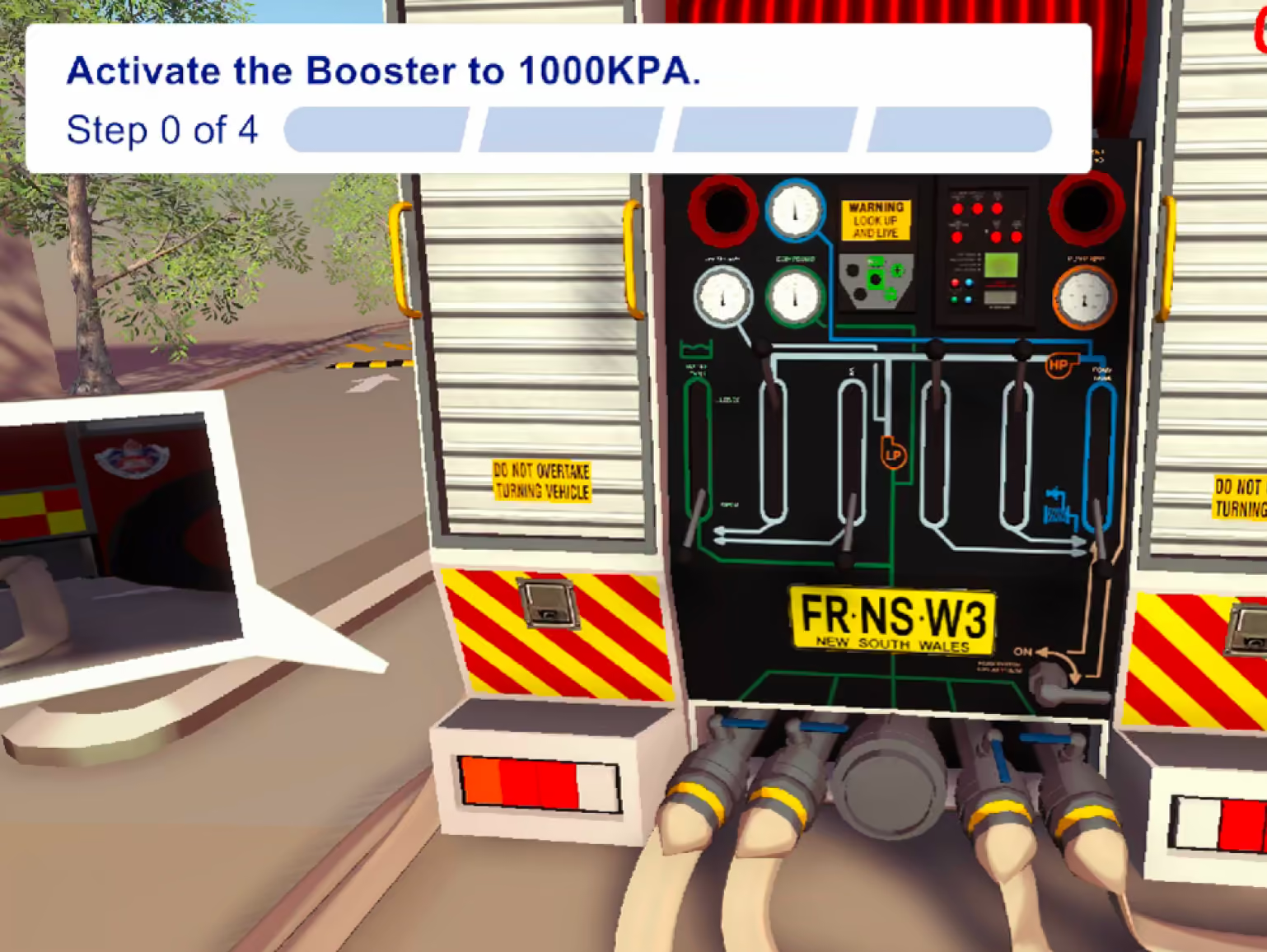
In today's environment, virtual reality is being used to simulate high risk, high cost, or elaborate tasks where physically and psychologically safe practice is paramount, thereby reducing risk to self, others and limited or overused equipment.
As VR matures, many teams are wondering whether immersive training fits into their current landscape. To help determine whether now is the time to implement virtual reality training, there are five key factors to consider.
Training transfer is low and slow
Existing training programs are failing to deliver the core knowledge and capabilities your workforce needs to succeed.
Training expenses are unsustainable
The business is investing excessive time and capital to bring together dispersed teams, or send trainers to multiple locations.
Real-world practice is too risky
Employees are facing high-risk situations unprepared, and the physical or psychological consequences of a mistake could be severe to themselves or others in the vicinity.
Regulatory pressures are increasing
Changes in laws and stricter compliance requirements mean that current frameworks no longer adequately prepare or protect the workforce and the business.
Enterprise growth is on the cards
VR training provides analytics and remote learning capabilities while increasing speed to proficiency. It is an affordable solution to scale operations, future proof your business and start implementing effective training today.
Features of effective VR training
An effective program delivers maximum impact, operational efficiency, and long-term value. The foundation of a successful VR training program rests on a set of specific features.
(01)
Affordability
Virtual reality training has evolved into an accessible and reliable enterprise-ready tool with a long-term ROI that makes it cost effective for growing businesses.
(02)
Flexible & scalable deployment
The same high-quality immersive experiences can be delivered through a VR headset, or scaled across sites to support varying user needs and remote learning via desktop, mobile and tablet.
(03)
Unique assets
CG environments and 3D animated models enable you to visualise concepts while 360° live action footage helps build an emotional connection for experiential learning and soft skill development.
(04)
Interactivity & realism
Integrating photorealistic visual assets and gamification techniques, any number of real-world situations can be replicated to serve as environments for hands-on practice. The highly immersive nature of VR results in faster training and greater knowledge retention.
(05)
Industry & situation specific content
Through close collaboration with subject matter experts and leverage in-house assets, tailored scenario based learning modules can be developed as content is customised to address distinct learning outcomes and regulatory requirements.
(06)
A safe virtual space
Virtual reality provides a safe, controlled environment to practise dangerous skills and tasks in high-pressure situations, without the actual physical or emotional risk to the learner. Realistic simulations and the ability to make mistakes and repeat scenarios can boost speed to proficiency.
(07)
Analytics & reporting
Digitised learning allows managers & trainers to track learner progress, performance, confidence and decision-making metrics easily. Analytical data can be displayed on a dashboard and fed into existing LMS tools to draw insights and assess strengths and gaps.
(08)
A modular platform
Using a versatile, scalable VR training platform allows you to easily utilise existing assets, update content, and adapt training to meet evolving learning outcomes and organisation needs.
Proven Impact in the Real World
Don't just take our word for it. See how forward-thinking organizations are using the Oncio platform to elevate their workforce and achieve measurable training success.
We’ve seen significantly higher engagement and far more meaningful classroom discussions after students complete VR training. Being immersed in realistic care situations reshapes how learners think about responsibility, consent and choice, because they can directly experience the consequences of their decisions.

Mardi Riley With over 100 staff already trained in the first few months, we’ve already seen an increase in learner confidence from 29% up to 85%... In short, VR Training is delivering consistent, high-quality training across the organisation in a time efficient and effective manner.

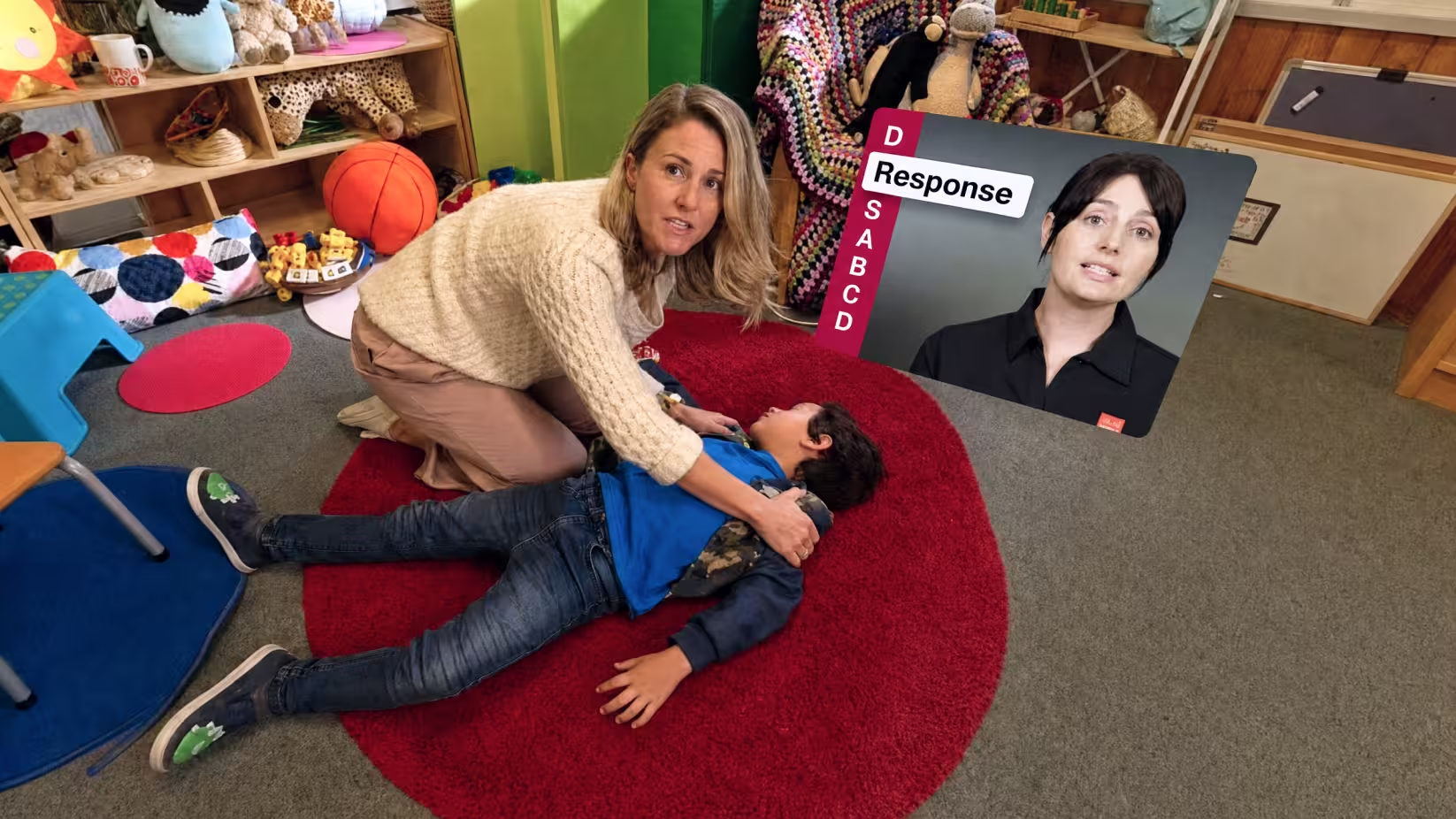
Geoff Ashton Through the roll out of this immersive course, St John Ambulance Victoria can continue to equip our students with the skills and real-world scenarios they need to improve cardiac arrest response times and ultimately survival rates.

Gordon Botwright We’ve been able to give students a safe way to practise these skills before they step onto a hospital ward. Students consistently tell us the experience has left them feeling more confident and better prepared for practice.

Jacqui Pich Through VR training, the benefit is that our team members can practice the best way to act and respond in what can be challenging and possibly confronting situations. We would rather our team experience this via VR, which acts like a 'flight simulator', rather than being put into situations for the first time in real life.

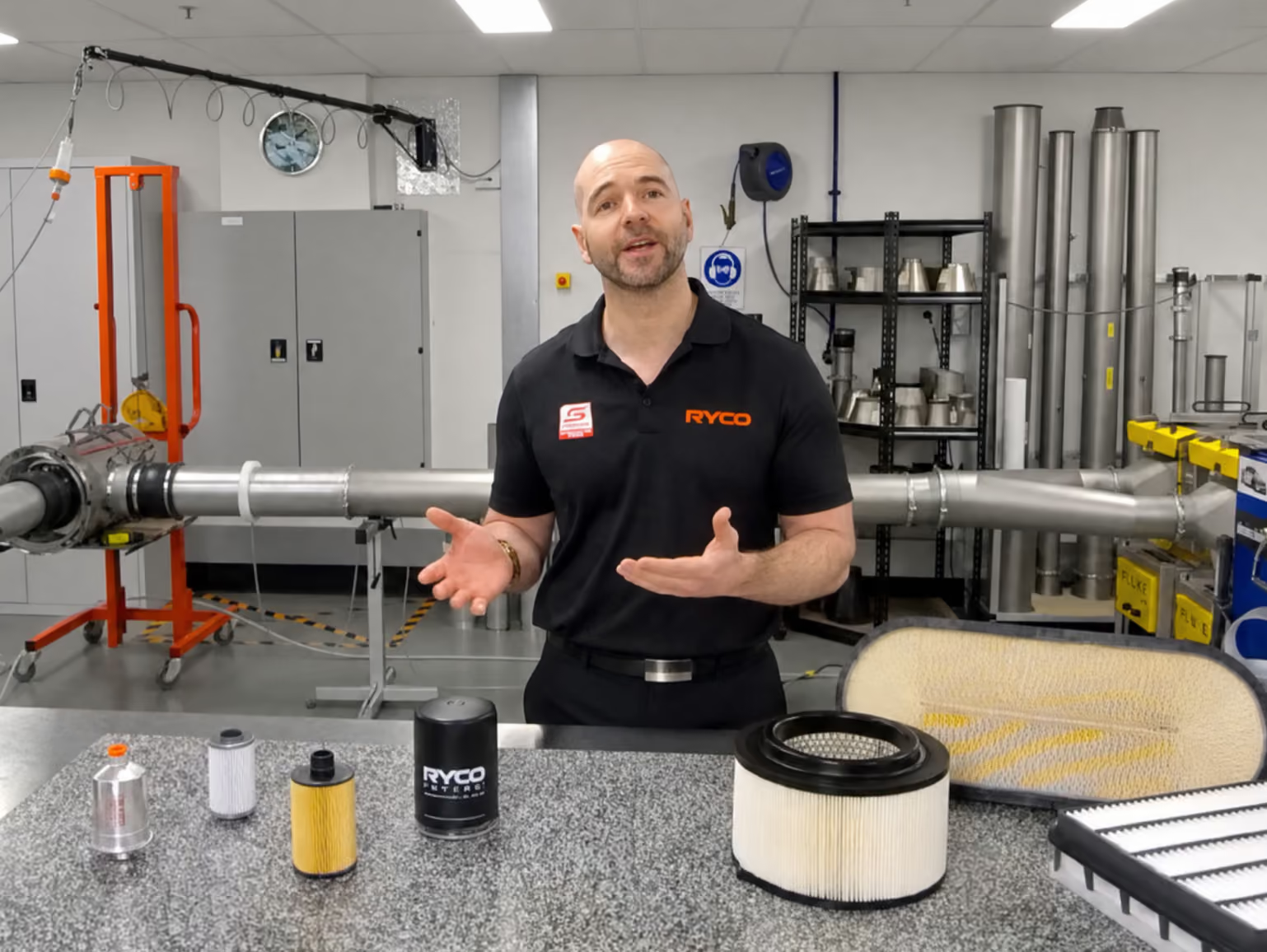
Rebecca Todd It has provided our Sales Team with a fantastic way of giving customers and clients a look inside our facilities, while greatly reducing the reliance on our staff to provide face to face tours... At events and activations, the VR always draws a crowd and gives the public a great insight into the RYCO brand and our processes.

Vanessa Giron
Why train with Start Beyond?
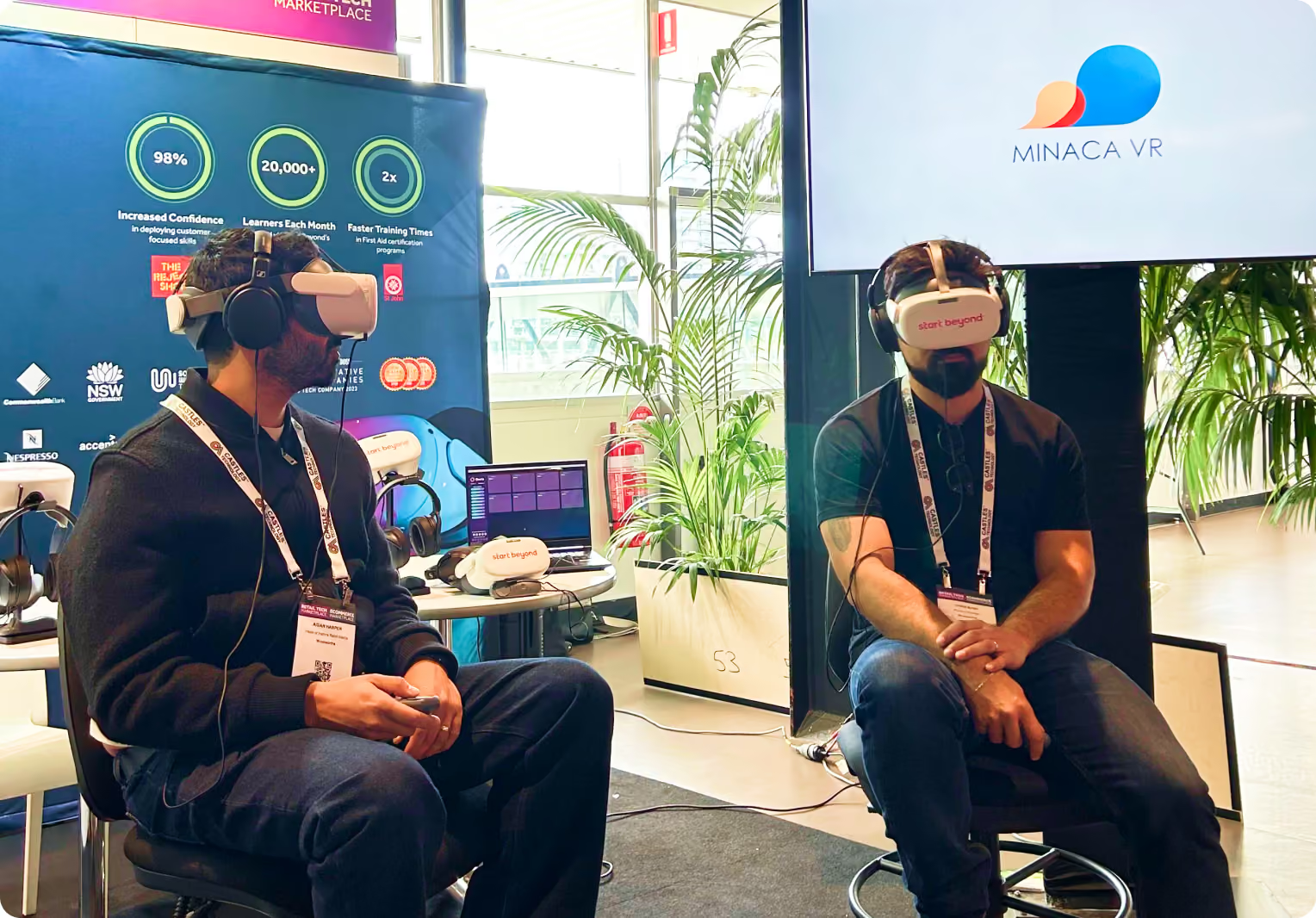
Start Beyond is Australia’s leading virtual reality training program provider. With extensive expertise in storytelling, instructional design, asset production and software development, the VR & AR studio has delivered over 2 million immersive learning experiences across enterprise, education and government.
The Start Beyond difference
Start Beyond takes a holistic approach to VR training with creativity, efficiency, technical innovation and a client-first philosophy. Our studio & platform teams work closely with you to understand your unique training challenges and to craft a VR program that supports your long-term goals.
We create immersive experiences that are evocative and visceral, because feelings create memories, and memories become knowledge.

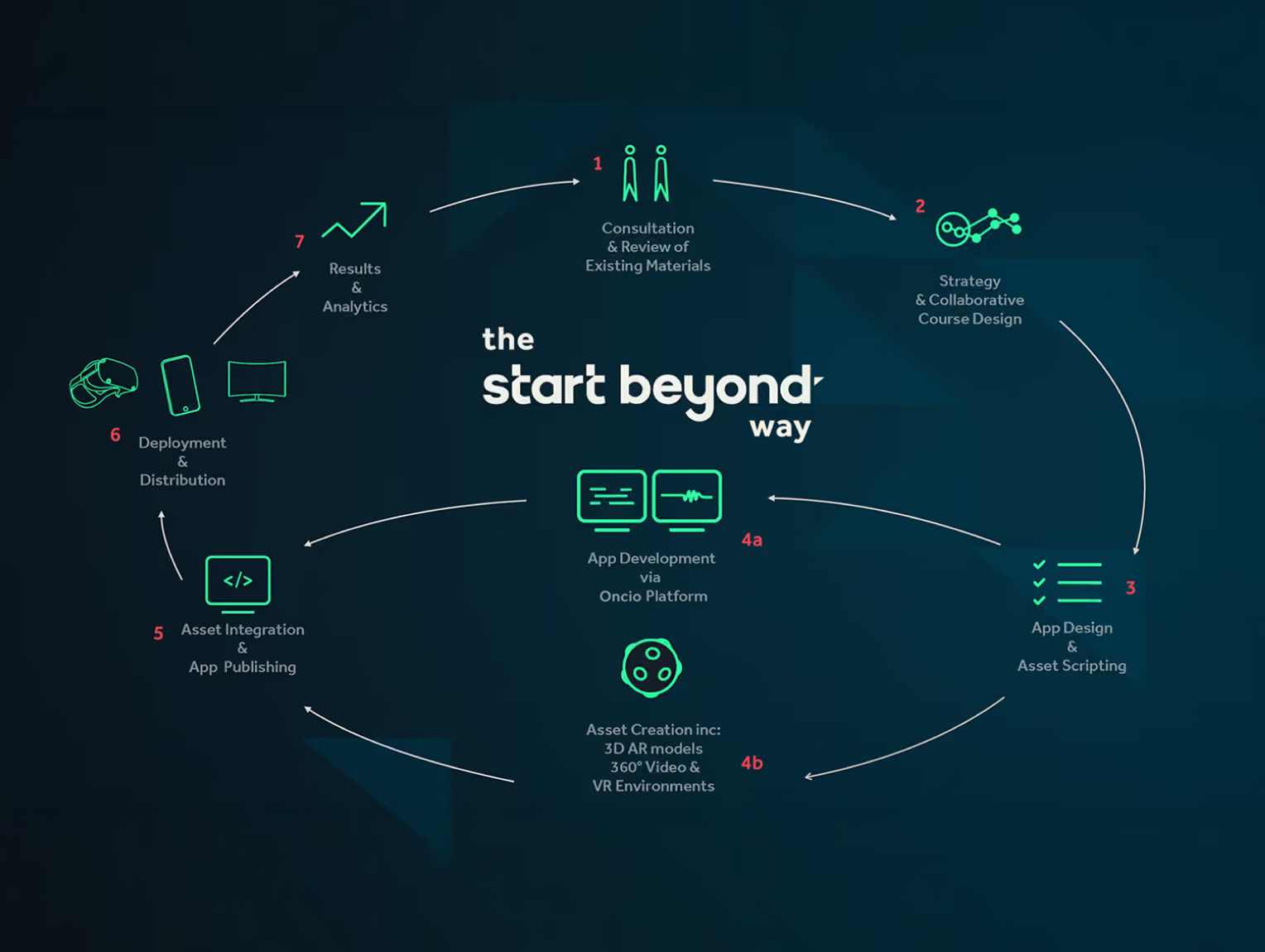
End-to-end delivery solutions
Close collaboration with clients and transparency throughout the process is how we ensure the delivery of effective VR training solutions that build skills and grow your business.
Professional production
Immersive content specialists produce high impact VR assets through CG, green screen and on-location shooting, blending storytelling with technical expertise.
VR Software development
Game design and platform experts develop and deliver plug and play programs and customised VR training solutions that can integrate with your existing tech stack.
Technical support & maintenance
Our teams are always on hand to ensure your training programs run smoothly with responsive assistance as you deploy at scale.
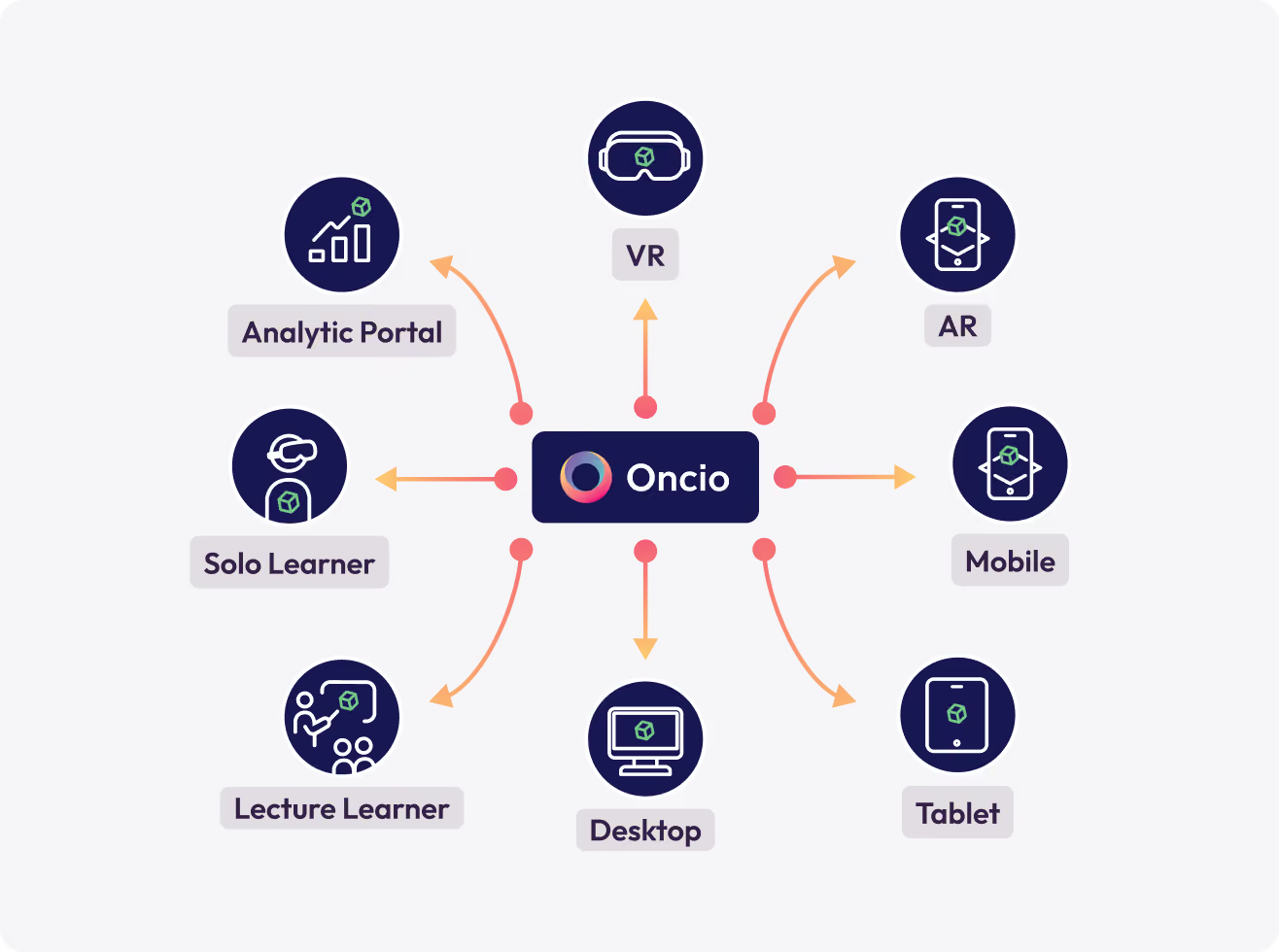
VR training for your organisation
Deliver training reliability with Oncio advanced features designed for workforce training applications for all types businesses.
Solo Learner
Self-paced training for independent learners and plug-and-play VR solutions
Lecture Learner
Facilitator-led capability suitable to deploy real-time, coachable training for a 1-to-1 set up or classroom configuration of up to 50 headsets
Rich media support
Blending pre-existing 2D assets with AI enriched 3D models & 360° live-action video to effectively convey training content through engaging immersive scenarios
Distribution at scale
Deliver across VR, mobile, tablet, and desktop for widespread offices, remote workers and mobile teams
Data analytics
An intuitive, customisable web-based analytic dashboard presenting relevant learner and module metrics with the Oncio portal

Oncio: All-in-one VR & AR training platform
Oncio is the backbone of Start Beyond’s immersive learning delivery, and the source code of all our off-the-shelf products and customised VR training solutions. The platform is used by more than 20,000 learners every month.
Explore all Oncio features
Faster training and greater confidence with VR
Start Beyond clients consistently report improvements in key metrics across competencies and industries.
View all case studies





Frequently asked questions
Pricing varies based on a number of factors, including whether the solution is custom or off-the-shelf, as well as scenario complexity and user volume.
Our ready-to-deploy programs are the most affordable way to start, with a turnkey solution that combines software and hardware to get your training started ASAP.
Custom training programs are shaped by several meetings between client and VR studio to determine the format (live action, 3D or CG), number of scenarios, experience duration, learning outcomes, and other considerations which underscore the scope of works.
Customised VR programs typically take 8–16 weeks to develop depending on how much input is needed from the client, and how defined the brief is. About half of that time goes into concept development and learning design. Once the script is locked in, filming and app building move quickly.
No. Training content is stored on the headset, so all you need to do to begin training is turn it on and press play. This makes VR ideal for delivering training to rural or regional areas. The internet is only required to sync session data and push updates.
Depending on the number of trainees and locations, you can rotate a VR kit (say, two or three headsets and a tablet) from site to site like a mobile library, or keep a kit in the break room so staff can train when it suits them. The same content can be made available on mobile and tablet or desktop for those who find it difficult to access or use a VR headset.
VR fully immerses the learner into simulated environments when putting on a VR headset, locking in their attention. AR often uses a phone or tablet to add or overlay information in the real world, which is ideal for supporting people on the job and bringing existing materials to life.
It depends on the skill being trained. Live action with real actors is best for soft skill building, where emotional connection matters. Computer-graphics (CG) and 3D are best for equipment and processes, where learners need to see inside something or follow a sequence.
That’s great. Existing 2D and 360° assets can be leveraged by Oncio, reinvigorated and integrated into the immersive training modules and deployed across VR, mobile and desktop.
Move people to see the world differently, transform your team with VR training.
We build visceral VR and AR experiences that resonate and generate knowledge that sticks. Replace forgettable 2D modules with high-impact simulations that slash training costs, boost retention, and drive performance.
- 100% free consultation
- Industry-proven XR solutions
- 10+ years of expertise

